

When substance use and mental health challenges collide, recovery becomes more complex—but also more possible with the right support.
At Monument Recovery, dual diagnosis treatment is designed to address both conditions at the same time, helping men and women break free from the cycle of addiction and rediscover a life rooted in stability, purpose, and long-term wellness.
We offer high-quality, individualized treatment for substance abuse, dual-diagnosis and mental health conditions at our Arizona treatment center.

Find long-term sobriety at our alcohol rehab programs, offering lasting solutions.

If you have co-occurring issues, our dual-diagnosis programs provide solid support.

Our primary mental health programs offer a safe space to focus on healing & wellness.
Dual diagnosis—also known as co-occurring disorders—refers to the presence of both a substance use disorder and a mental health condition. This may include combinations such as alcohol addiction and depression, opioid use and anxiety, or stimulant abuse and trauma-related disorders.
For many individuals, substance use begins as a way to cope with emotional pain. Temporary relief can quickly evolve into dependency, ultimately intensifying the underlying mental health symptoms. As this cycle deepens, it can feel impossible to separate one condition from the other.
At Monument Recovery, we recognize that lasting recovery cannot happen by treating only one side of the problem. That’s why our approach focuses on integrated care—helping clients heal mentally, emotionally, and physically at the same time.
Dual diagnosis treatment is about more than stopping substance use—it’s about understanding why it began in the first place.
At Monument Recovery, clinicians help clients uncover the underlying factors that drive both addiction and mental health struggles. These may include:
By addressing these root causes directly, clients are able to break free from destructive patterns and develop healthier ways of coping with life’s challenges.
Monument Recovery is proud to accept most major commercial insurance plans to help cover up to 100% of the costs associated with treatment at our programs. To find our your personal options, get a free verification of benefits.





Healing from co-occurring disorders requires structure, consistency, and support. At Monument Recovery, clients receive a comprehensive continuum of care designed to meet them wherever they are in their recovery journey.
Every client begins with a detailed clinical assessment to uncover the full scope of their needs. This process helps identify mental health conditions such as anxiety, depression, or trauma that may be contributing to substance use, allowing for a more targeted and effective treatment plan.
One-on-one therapy sessions provide a safe, confidential space for clients to explore their experiences, process emotions, and begin healing at a deeper level. Through modalities like Cognitive Behavioral Therapy (CBT) and Dialectical Behavior Therapy (DBT), clients learn to recognize and change harmful thought patterns while building healthier coping strategies.
Connection is a powerful part of recovery. Group therapy sessions allow individuals to share experiences, gain perspective, and build relationships with others who understand their journey. Within the Monument Recovery community, clients are supported not only by clinicians but also by peers who are walking a similar path.
True healing involves more than just clinical work. Monument Recovery integrates holistic therapies such as yoga, meditation, mindfulness, art therapy, and wellness practices to support emotional balance and overall well-being. These modalities help clients reconnect with themselves and develop a healthier lifestyle beyond treatment.
Recovery is about building a life worth staying sober for. Clients develop essential life skills, including stress management, communication, goal setting, and emotional regulation. These tools empower individuals to navigate real-world challenges with confidence and resilience long after treatment ends.
Recovery does not happen in isolation. One of the defining elements of treatment at Monument Recovery is the sense of community that surrounds each individual from the moment they arrive.
Clients become part of a supportive, welcoming environment where they are encouraged, understood, and challenged to grow. This connection extends beyond treatment through alumni support and recovery-focused events, helping individuals maintain momentum and stay engaged in their recovery journey.









Without integrated care, individuals with co-occurring disorders are at a higher risk of relapse. Treating only the addiction while ignoring mental health—or vice versa—often leads to incomplete recovery and recurring struggles.
Dual diagnosis treatment ensures that both conditions are addressed together, creating a more stable and sustainable foundation for healing. At Monument Recovery, this integrated approach allows clients to:
If you are interested in substance abuse treatment for yourself or a loved one, reach out by sending a chat or contacting our team below.
Let’s walk through this together.
If you or someone you love is struggling with both substance use and mental health challenges, you are not alone—and you don’t have to navigate it alone.
At Monument Recovery, dual diagnosis treatment is about more than recovery—it’s about transformation. With compassionate care, personalized treatment, and a supportive community, a new way of living is within reach.
Reach out today to speak with an admissions specialist, verify your insurance, and take the first step toward lasting healing.
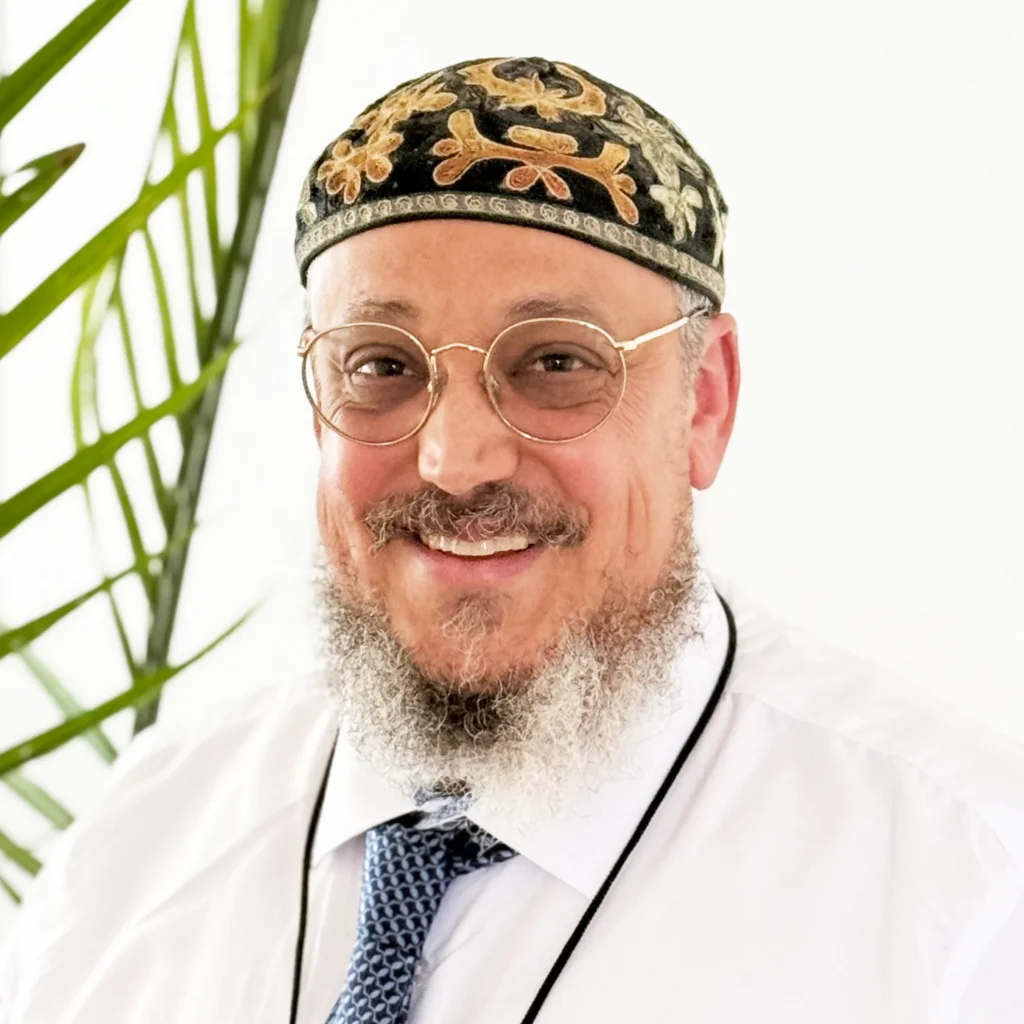
About Our Clinical Reviewer:
Clinical Director | MS, LIAC, LPC, CCTS-I