

Living with PTSD can feel overwhelming, confusing, and at times isolating. Memories may resurface when you least expect them, and feelings like fear, anxiety, or emotional numbness can make it difficult to feel safe or present in your own life. You might find yourself avoiding certain places or situations, struggling with sleep, or feeling constantly on edge. These responses aren’t weaknesses—they’re your mind and body trying to protect you after something deeply difficult.
At Monument Recovery in Mesa, Arizona, we understand that trauma affects everyone differently. Your experience is valid, and healing doesn’t look the same for everyone. Our approach to PTSD treatment focuses on helping you process what you’ve been through in a safe, supportive environment while building the tools needed to regain a sense of control, stability, and peace.
We meet you with compassion, patience, and respect for your journey. Through personalized, evidence-based trauma therapies, a supportive clinical team, and a calming environment, we help you move forward at your own pace. Whether you’re reaching out for yourself or someone you care about, you don’t have to carry this alone—healing is possible, and we’re here to walk alongside you every step of the way.
We offer high-quality, individualized treatment for substance abuse, dual-diagnosis and mental health conditions at our Arizona treatment center.

Find long-term sobriety at our alcohol rehab programs, offering lasting solutions.

If you have co-occurring issues, our dual-diagnosis programs provide solid support.

Our primary mental health programs offer a safe space to focus on healing & wellness.
PTSD is a mental health condition that arises after experiencing or witnessing something traumatic. You may replay the event in your mind, feel distant from others, or experience intense emotional, physical, or psychological responses to reminders of what happened. It’s more than just “trying to forget” or “moving on.” PTSD impacts how the brain processes danger, safety, and emotions, often leaving you stuck in a state of hyper-alertness or withdrawal.
PTSD affects nearly 3.6% of adults in the U.S. each year, and it can happen to individuals of all backgrounds. If trauma has disrupted your life, know that Monument Recovery’s Arizona PTSD treatment offers real help and a safe space to heal.
PTSD stems from trauma—but that trauma is unique to each individual. Below are some common causes that may lead to this condition:
For veterans, active-duty service members, and civilians exposed to armed conflict, trauma can leave lasting emotional wounds.
Physical, emotional, or sexual abuse can profoundly impact how you view safety and trust.
Car accidents, natural disasters, or other life-threatening events may trigger PTSD.
The sudden or violent loss of a loved one can lead to lingering trauma symptoms.
Adverse experiences during childhood often contribute to PTSD symptoms later in life.
Ongoing exposure to overwhelming stress, including systemic harm or oppression, may also lead to PTSD.
Trauma, by nature, is deeply personal. At Monument Recovery, we design our PTSD treatment programs in Arizona to honor your individual experience while working collaboratively toward healing.
Monument Recovery is proud to accept most major commercial insurance plans to help cover up to 100% of the costs associated with treatment at our programs. To find our your personal options, get a free verification of benefits.





Living with untreated PTSD can contribute to serious challenges across every aspect of life. While seeking treatment requires vulnerability, the risks of not addressing PTSD can impact:
Physical Health
PTSD symptoms can worsen physical conditions like chronic pain, heart disease, or immune system dysfunction due to sustained stress.
Mental Health
Untreated PTSD frequently overlaps with depression, anxiety, or suicidal ideation. Reaching out can disrupt this painful cycle.
Relationships
Feelings of disconnection, avoidance, or anger can lead to strained or broken relationships with loved ones, colleagues, or social networks.
Substance Use
Many individuals turn to substances to manage emotional or physical discomfort from PTSD, leading to co-occurring challenges such as addiction.
Life Goals
PTSD can interfere with academic, professional, or personal milestones, leaving you struggling to move forward meaningfully.
Healing from PTSD isn’t something you have to prove or endure alone—it’s an act of care and reclaiming your life. Monument Recovery supports healing with clinically credible, approachable care tailored to your needs. Our PTSD treatment programs in Arizona focus on transformation—not just symptom management—helping you rebuild the future you deserve.
PTSD shows up in many ways, often affecting your emotional, physical, and relational well-being. Recognizing the signs of PTSD is the first step toward getting the care and support you deserve:
Healing starts with acknowledging these signs and knowing you’re not alone in experiencing them. Our treatment for PTSD in Arizona creates space to explore these symptoms in a supported, gentle way while finding paths toward relief.



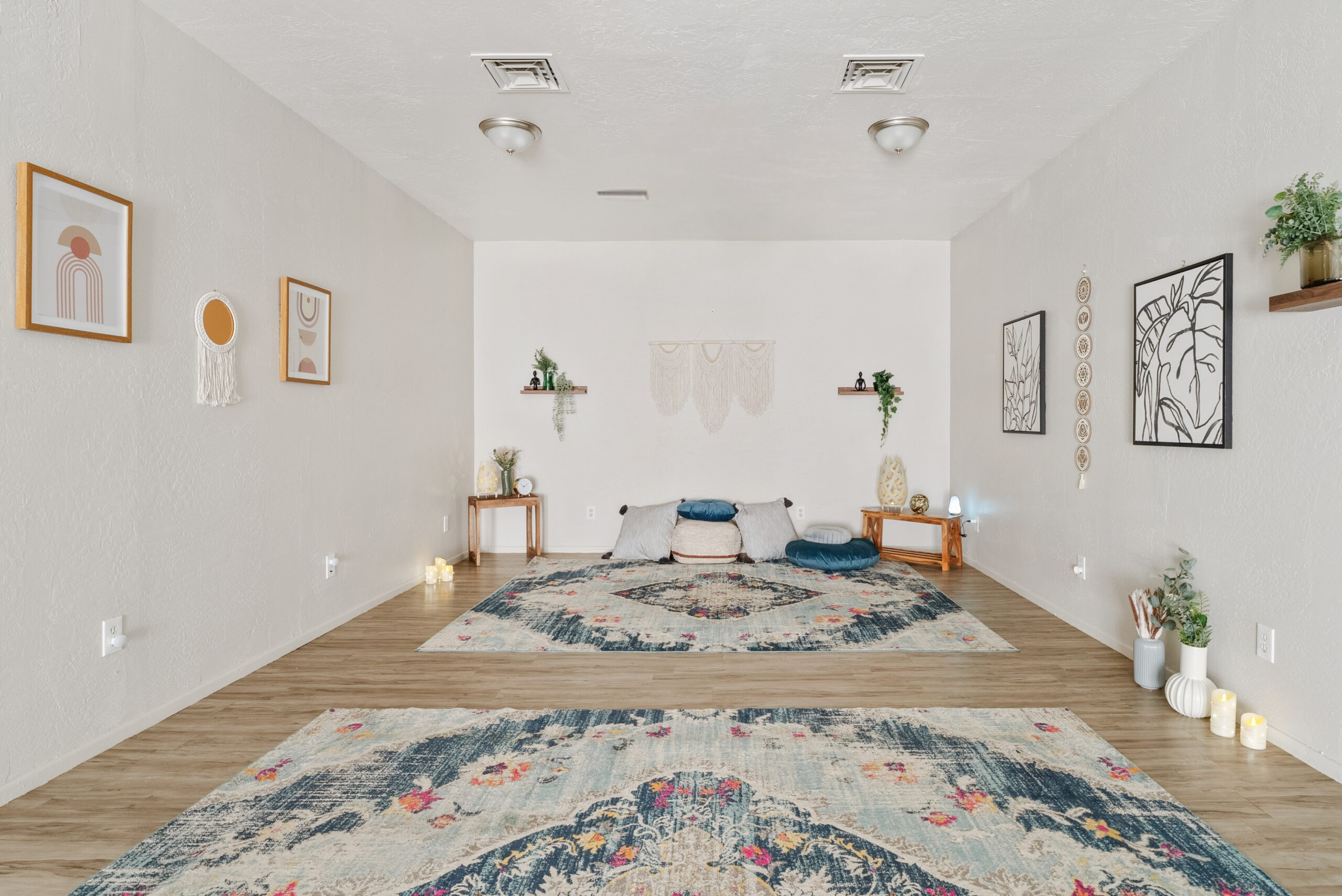






At Monument Recovery, addressing PTSD requires a delicate balance of evidence-based practices, collaborative care, and whole-person healing. We take the time to understand your story, providing options that empower lasting transformation—not short-term fixes.
Our treatment approaches are rooted in years of research, blending modern psychology with approachable, human-centered care:
Medications may sometimes complement therapy by easing the severity of PTSD symptoms, such as heightened anxiety or sleep disturbances. Under the careful guidance of clinical professionals, Monument Recovery provides medication support where appropriate.
Frequently, depression intersects with substance use or other mental health challenges. Monument Recovery specializes in integrated care that addresses multiple layers at once, providing clear pathways toward long-lasting recovery.
Located in Mesa, Monument Recovery provides a calm, supportive environment for healing. Our team understands the battle against PTSD and is here to help you find happiness again. Our PTSD treatment in Arizona takes an approach that is grounded in medical expertise, compassion, and a commitment to long-term wellness.
If symptoms persist for weeks or months, worsen over time, or begin to impact your relationships, work, or overall well-being, it’s important to seek professional support. Early intervention can help prevent symptoms from becoming more severe.
PTSD is commonly treated with evidence-based therapies such as Cognitive Behavioral Therapy (CBT), trauma-focused CBT, Eye Movement Desensitization and Reprocessing (EMDR), and Dialectical Behavior Therapy (DBT). These approaches help individuals process trauma and develop healthier coping strategies.
Yes, many individuals successfully manage PTSD through therapy alone. However, in some cases, medication may be recommended to help reduce symptoms like anxiety, depression, or sleep disturbances as part of a comprehensive treatment plan.
Treatment timelines vary depending on the individual, the nature of the trauma, and the severity of symptoms. Some people experience improvement within a few months, while others may benefit from longer-term support.
Yes, healing from PTSD is possible. While everyone’s journey is different, many individuals are able to significantly reduce symptoms, regain a sense of safety, and rebuild a fulfilling life with the right support and treatment.
The first step is reaching out to a qualified treatment provider. Most centers offer a confidential assessment to understand your needs and recommend the right treatment plan. From there, you can begin your path toward healing in a safe and supportive environment.
If you are interested in substance abuse treatment for yourself or a loved one, reach out by sending a chat or contacting our team below.
Let’s walk through this together.
Trauma may feel like it overshadows your life, but that’s not where your story ends. With Monument Recovery’s Arizona PTSD treatment, we walk with you into recovery rooted in empathy, connection, and empowerment. Together, we create a healing journey built not just on overcoming trauma—but on rediscovering your purpose beyond it.
Let today be the day you take back your peace. Reach out to Monument Recovery now, and let’s take the next step forward together.
Recovery from PTSD is real, possible, and waiting for you. Monument Recovery is ready to help light your path toward wholeness, belonging, and long-lasting transformation. Healing starts here. Healing starts with you.
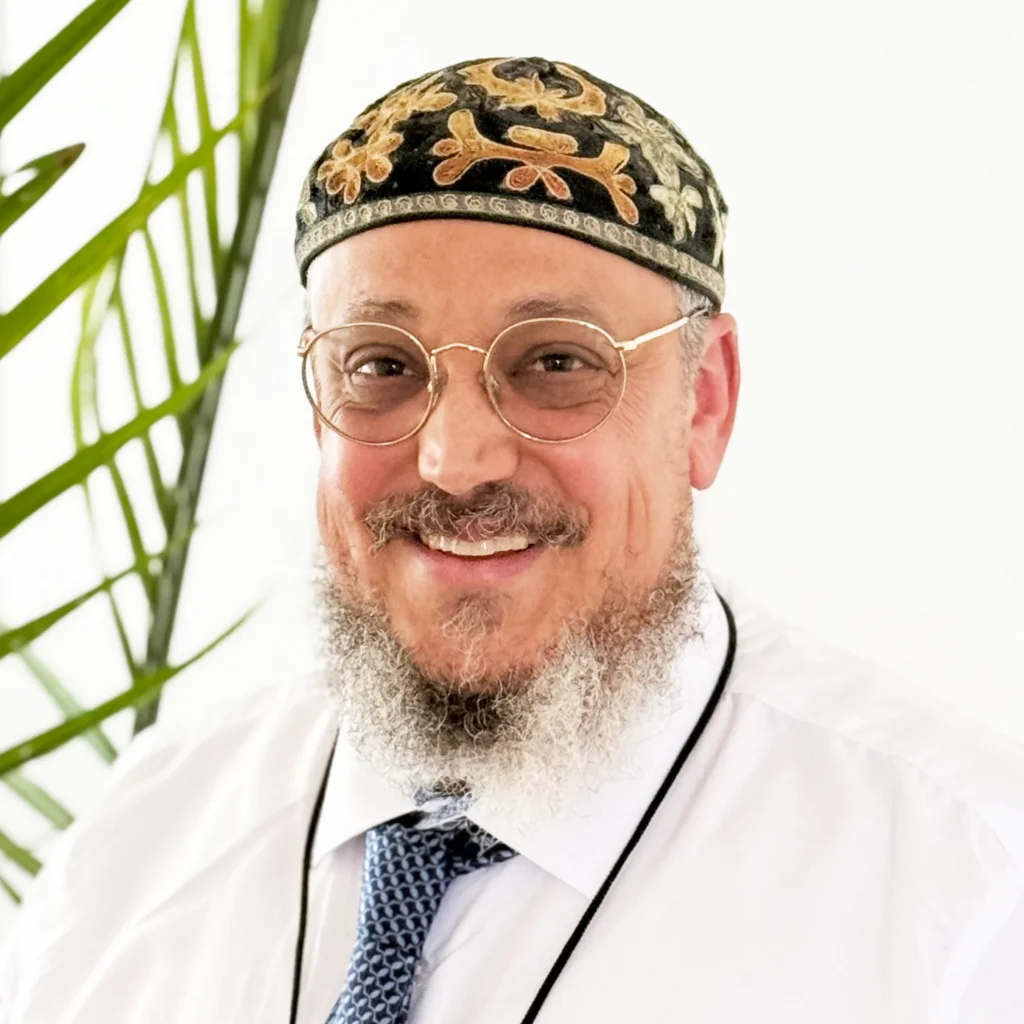
About Our Clinical Reviewer:
Clinical Director | MS, LIAC, LPC, CCTS-I