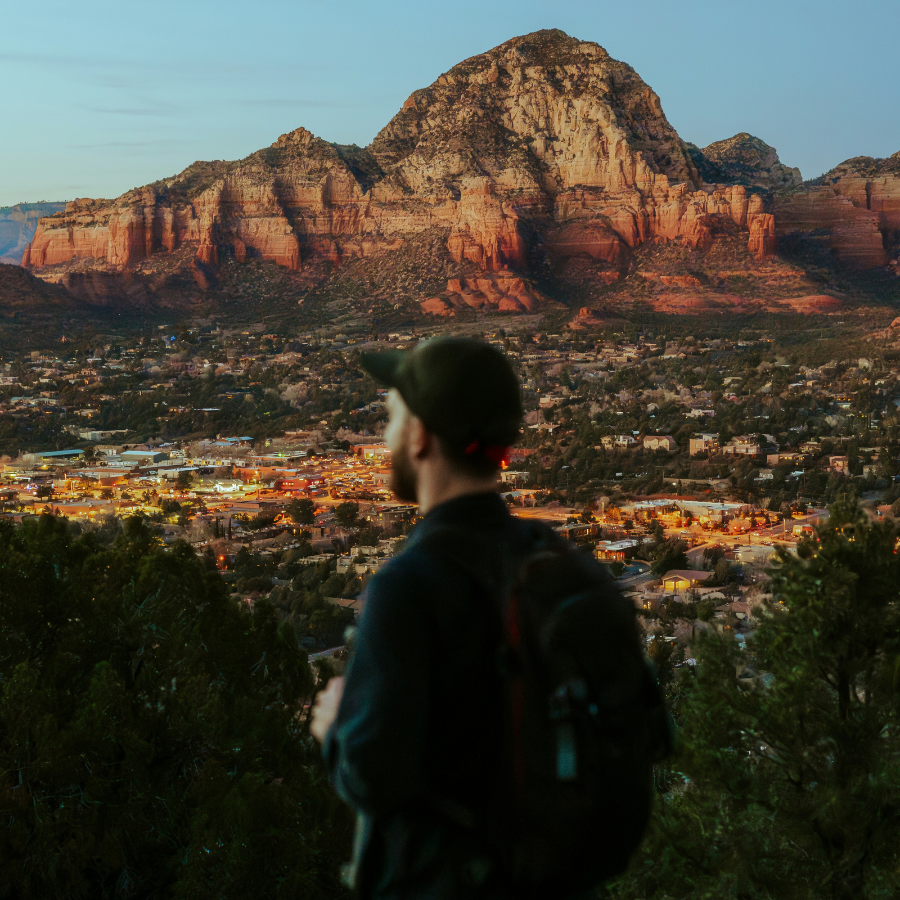
Seasonal depression is real. It’s not “just the winter blues,” and it doesn’t go away if you simply “toughen up.” Seasonal depression can happen at any time of year, but is often experienced by people in the fall and winter months, when days are shorter, and routines are disrupted—even in sunny Arizona. There is a very real effect that weather and seasons can have on the way you think and feel. You’re not alone if you’ve started to notice yourself withdrawing from loved ones, feeling more tired or restless than usual, or if you’ve become more overwhelmed by daily tasks and responsibilities.
Monument Recovery offers comprehensive, evidence-based treatment for seasonal depression in Arizona, personalized for you. We know that changing seasons can impact your mental health, as well as contribute to or coexist with other conditions, including anxiety, sleep disorders, and substance use. We offer a compassionate and effective approach to care that will help you find stability, energy, and balance year-round.
We offer high-quality, individualized treatment for substance abuse, dual-diagnosis and mental health conditions at our Arizona treatment center.

Find long-term sobriety at our alcohol rehab programs, offering lasting solutions.
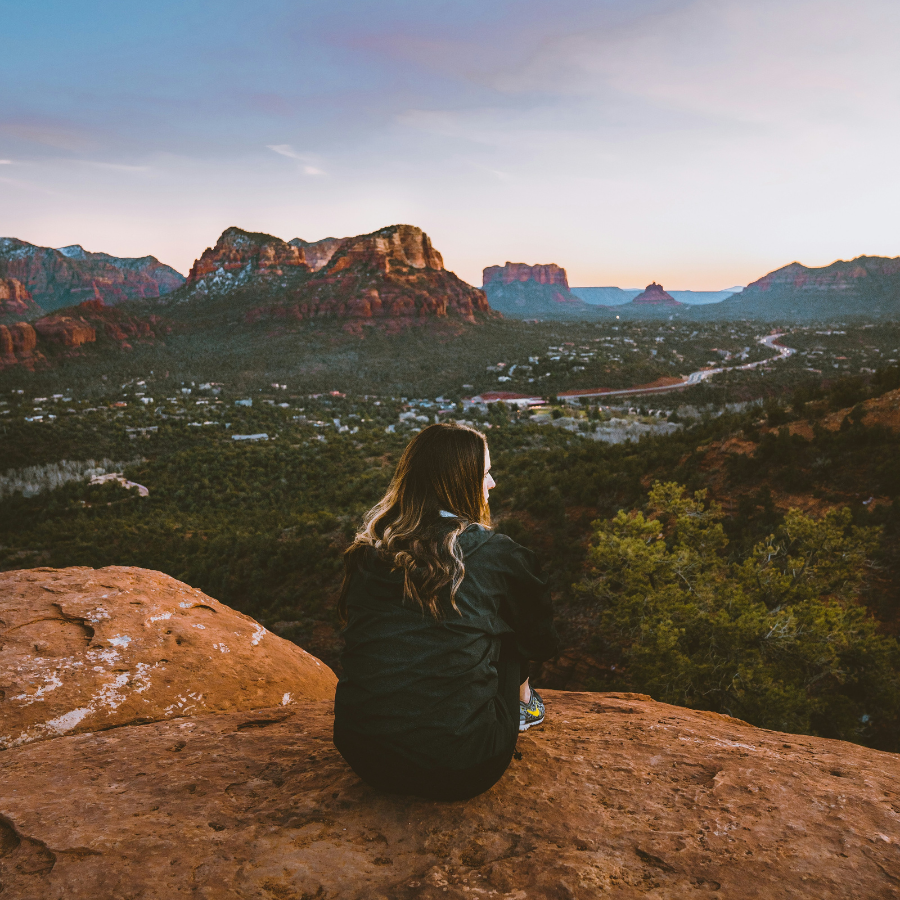
If you have co-occurring issues, our dual-diagnosis programs provide solid support.

Our primary mental health programs offer a safe space to focus on healing & wellness.
Seasonal depression, or SAD, is a type of depression that follows a recurring seasonal pattern. For many people, symptoms begin in the late fall or early winter and ease up in the spring or summer, although some individuals experience the opposite pattern. The driving force behind SAD is believed to be a disruption of the body’s internal clock, or circadian rhythm, due to seasonal changes in light exposure. This disruption can affect mood, sleep, and energy levels, creating a ripple effect across your daily life.
Many people assume that being in a sunnier state like Arizona means seasonal depression isn’t a concern. But SAD isn’t just about gray skies or cold weather—it’s about the duration and quality of light your body is exposed to on a daily basis. Shorter days in the fall and winter can still disrupt your circadian rhythm and the production of key mood-regulating hormones like serotonin and melatonin, even in Arizona’s mild climate. Additionally, lifestyle changes during seasonal transitions, such as spending less time outdoors or managing holiday stress, can amplify symptoms.
Moreover, because SAD often overlaps with other mood or anxiety disorders, it can go unrecognized or dismissed as a temporary slump. Without treatment, symptoms may worsen or persist longer than the season itself, affecting your mental health year-round.
The Role of Sleep and Energy Cycles
The connection between light exposure and sleep may be one of the most noticeable effects of SAD. A lack of natural light can disrupt your body’s production of melatonin, the hormone that regulates sleep, leading to either excessive sleepiness or restless nights. Over time, the resulting fatigue can sap your energy, making it harder to complete daily tasks or enjoy activities you once loved.
The Cycle of Avoidance and Isolation
Seasonal depression often triggers a cycle of avoidance: as your energy and motivation drop, you might withdraw from social situations or skip activities that once brought joy. While this feels like temporary relief, it can reinforce feelings of loneliness and disconnection, making symptoms more severe over time. Breaking this cycle requires intentional strategies, such as therapy and the creation of healthy routines.
Monument Recovery is proud to accept most major commercial insurance plans to help cover up to 100% of the costs associated with treatment at our programs. To find our your personal options, get a free verification of benefits.






Seasonal depression doesn’t only affect how you feel—it impacts how you live. Left untreated, it can interfere with your ability to work, maintain relationships, and take care of yourself. Here are some of the most common ways SAD affects daily life and why seeking treatment is so important.
Seasonal depression can make it feel impossible to concentrate or keep up with responsibilities. You may notice lower productivity at work, missed deadlines, or even difficulty maintaining consistent routines, like getting out of bed on time. These struggles can cause stress and guilt, which can deepen feelings of inadequacy or overwhelm.
When seasonal depression sets in, relationships may take a backseat to feelings of sadness or fatigue. You might avoid family gatherings, say no to social plans, or struggle to communicate what you’re experiencing. These patterns can lead to misunderstandings or hurt feelings with loved ones who may not fully grasp what you’re dealing with.
Emotionally, untreated SAD can lead to deeper depression, heightened anxiety, or even thoughts of hopelessness. If you’ve turned to substances like alcohol or drugs to manage symptoms, this coping mechanism can create additional challenges that make recovery feel even more out of reach.
Arizona’s sunny environment and outdoor lifestyle may seem like they should help reduce symptoms, but that’s not the full picture—specific, tailored support is often needed to address the root causes of seasonal depression and its triggers.
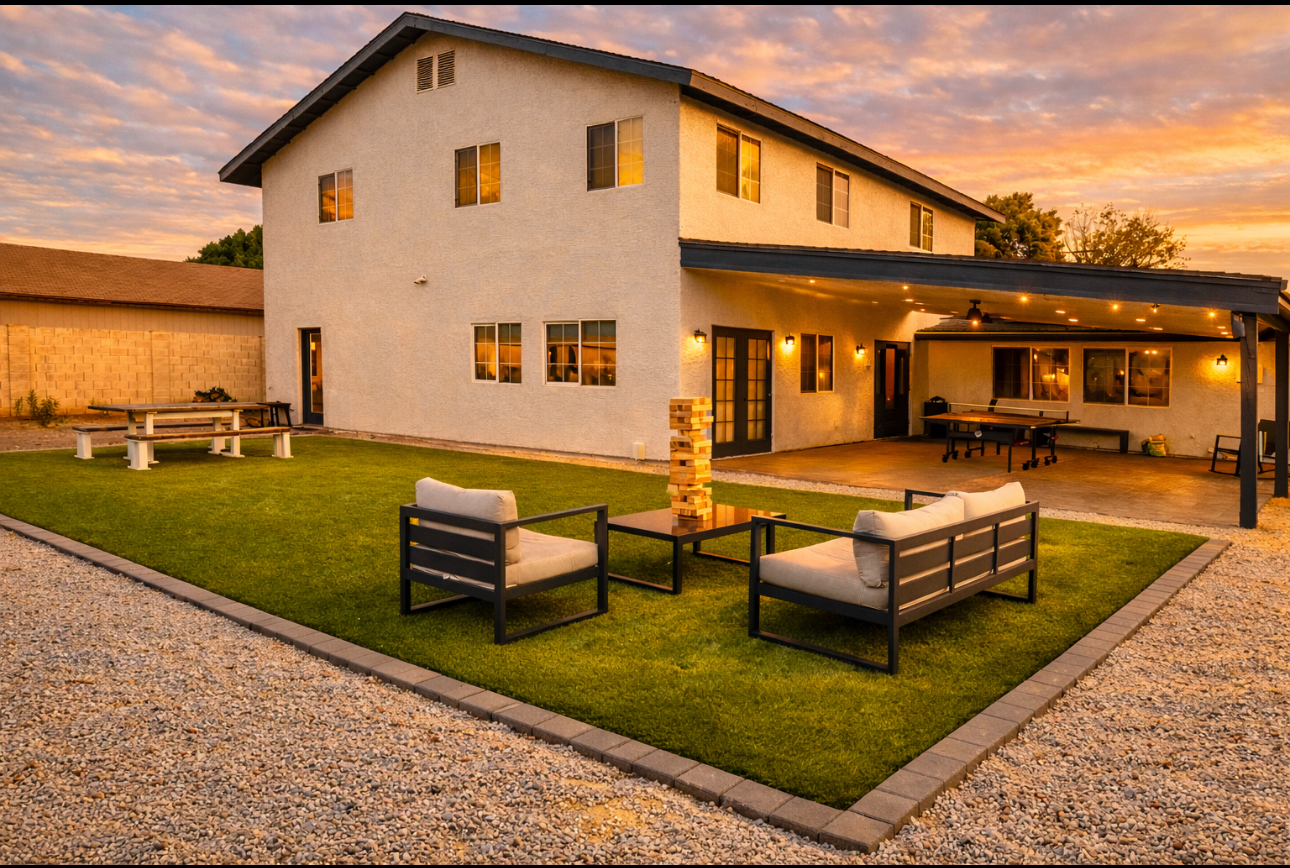
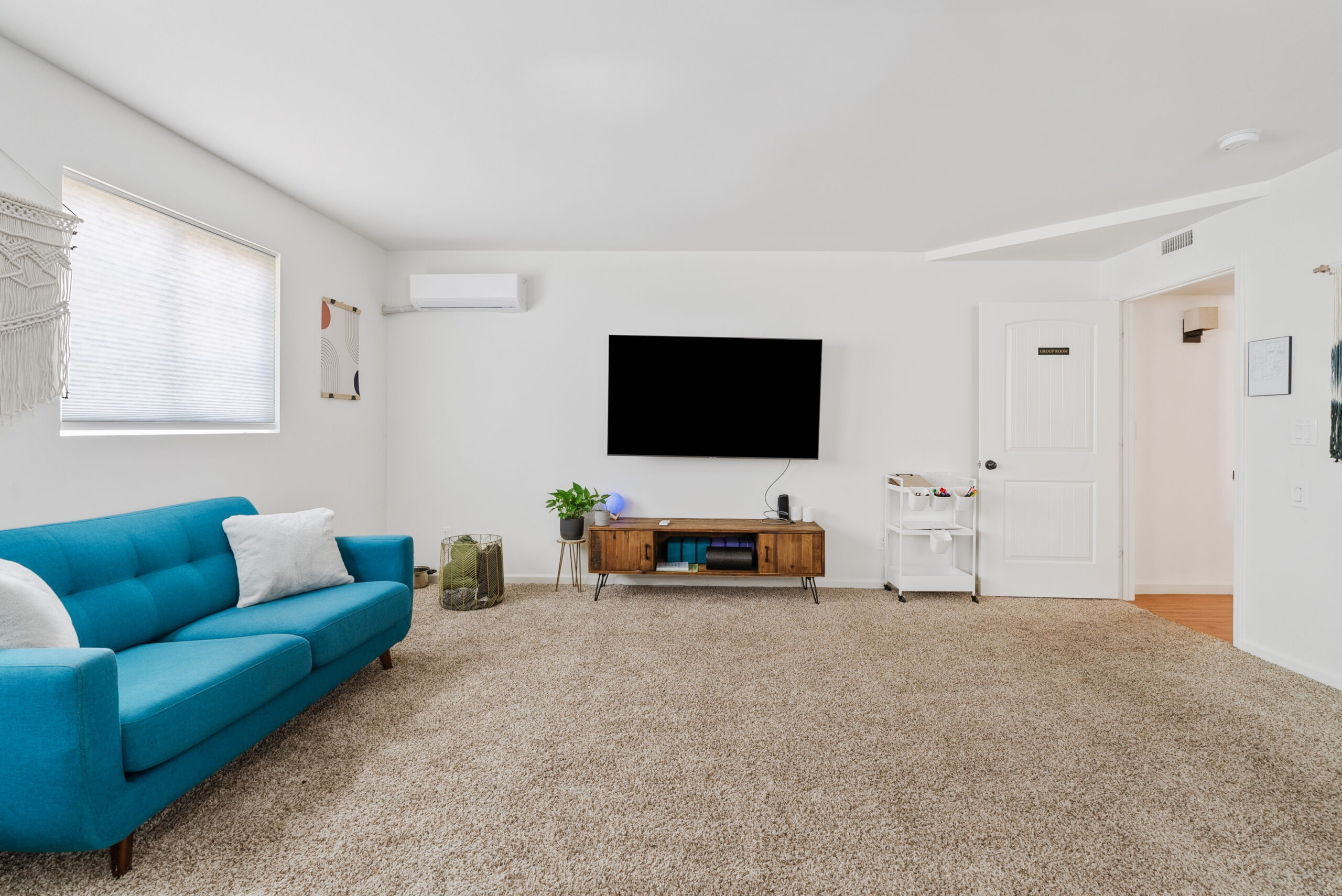
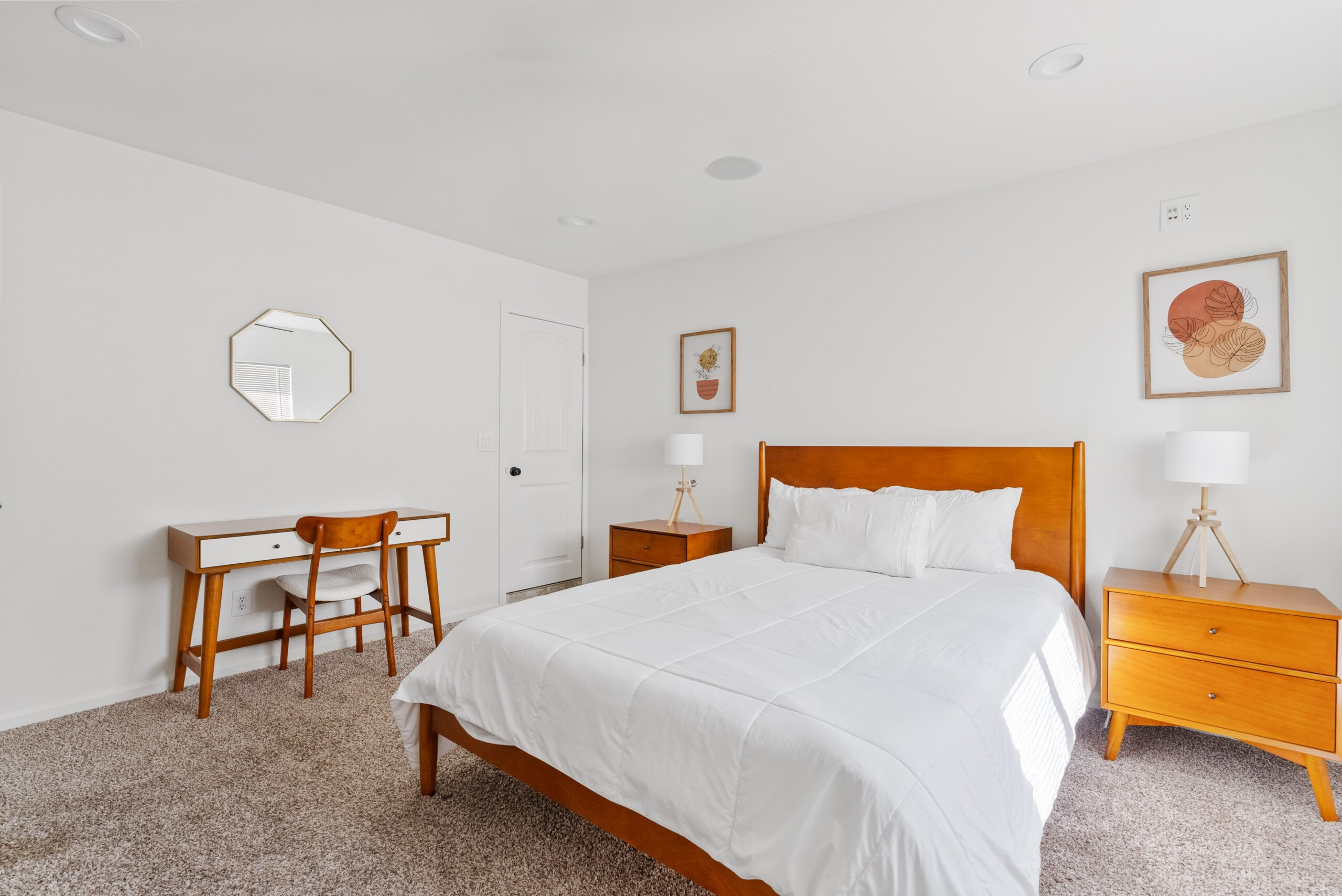
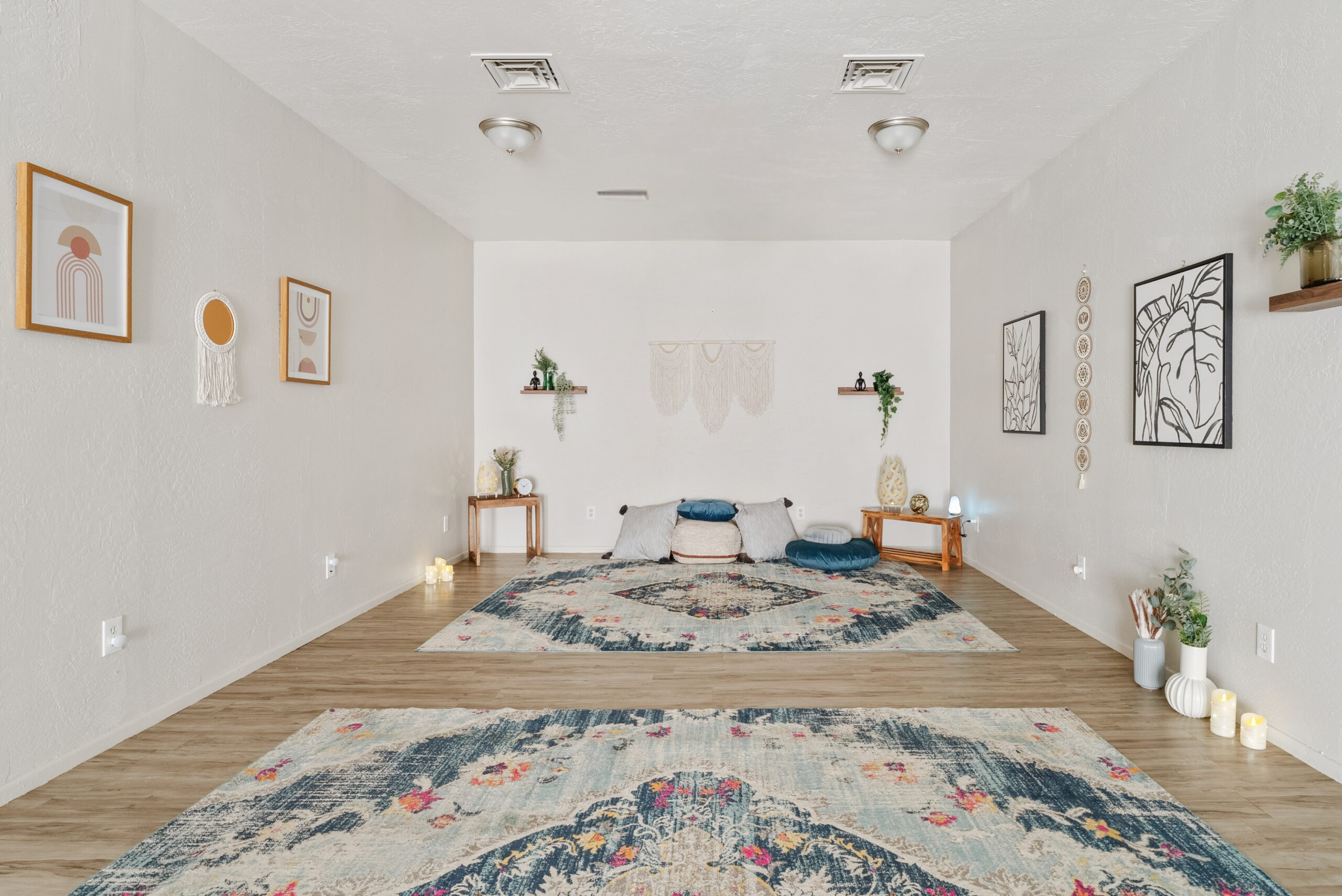
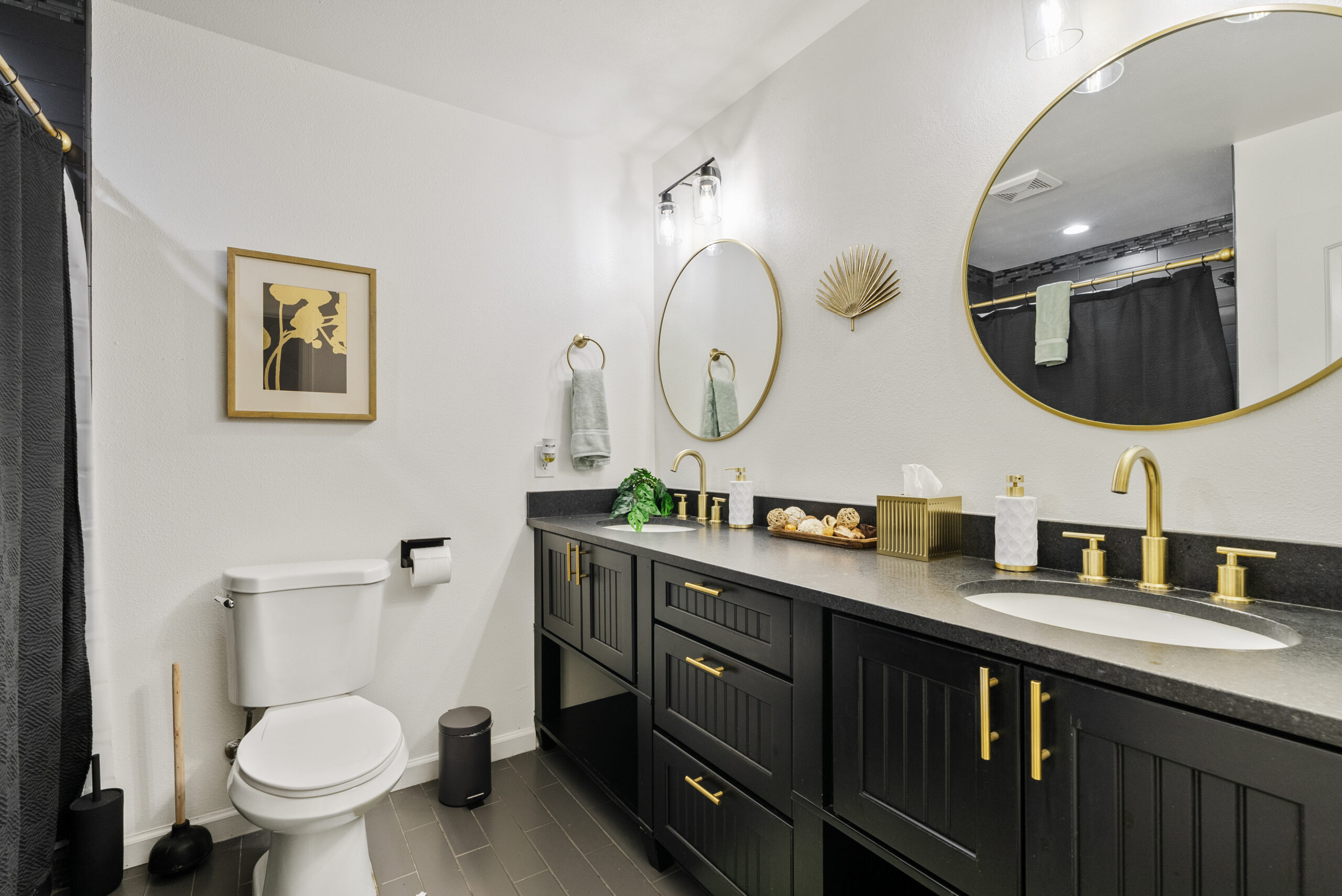


At Monument Recovery, we recognize that seasonal depression often overlaps with other mental health challenges. Dual-diagnosis care allows us to treat these conditions together for a more comprehensive approach.
Many people diagnosed with seasonal depression also experience symptoms of depression that are not tied to a specific season. Addressing both conditions ensures year-round stability.
The low energy and fatigue associated with seasonal depression can trigger heightened anxiety, especially when daily responsibilities pile up.
It’s not uncommon to turn to alcohol or other substances to cope with the emotional toll of SAD. However, this often creates a cycle where substance use worsens depressive symptoms over time.
People with seasonal depression frequently experience sleep disruptions, whether it’s oversleeping, difficulty falling asleep, or waking up feeling unrested. Managing sleep is a critical part of addressing SAD.




4.8/5.0 Average Rating

19 days ago
This place is truly breathtaking on the amount I’ve learned in the short amount of time that I was there personally I think the place was called and should be called monumental because it was in my life it was stepping stones I needed for the next adventures ahead there are bad days but not a bad life from first day they made me feel like family and my fur baby daughter got to be a staff member pause support specialist MAZ… CHEF PREPARED MEALS THEY HAVE REIKI AND MEDITATION AND ASTOUNDING ALEX THE PSYCH PROVIDER TERRIFIC TARA AND TOO COOL TO BE TRUE KATHY WE ALWAYS MATCHED UNINTENTIONALLY HULLABALOO HALEY SO SWEET HUGS AND A SMILE FOR MILES CASSIE THE DIRECTOR AND AARON ARE VERY SUPPORTIVE AND I WILL MISS ALL THE CONNECTIONS I WAS ABLE TO MAKE WHILE I WAS THERE ANd DRUM DOCTOR DAVID NEEDS TO BE HIRED FOR RECOVERY PURPOSES along with Michael the maestro music therapy is superb Avery and Cody and Mitchell my transport superheroes all the therapists there are wonderful including most of all Dr Cameron I think I will miss him the most but I get to take the things that I learned and carry them with you the rest of my life and you get a gym membership while you’re there too to EOS and it was amazing God bless all y’all and everything you do from cazz&mazz w/ pizzazz
P.s. TERRIFIC 💯 Taylor ty for helping get threw everything more smoothly awesome as case manager super hero! Every bit of staff there has patience more then saints for putting up with me who was more then a bit MUCH but they help me embrace the me that I want to be and if I’m too much the world can go find less but I have now learned to dial it back just a smidge don’t get your hopes up y’all LOL much love always God bless

28 days ago
I’ve been through a few different treatment centers, but Monument actually feels like home. The staff and clients here are all wonderful and always there for you when you need help. The friendships I’ve made here are amazing. Monument truly treats you like an actual human being and not just a number.

29 days ago
I had a very good experience here, I really believe that this place has set me up with the tools I need to maintain my sobriety. The staff genuinely seems to care about the clients wellbeing and make it easy to recover here.

1 months ago
The staff was on point, knowledgeable and very kind, they give you tools and materials. Exactly what is very much needed for your sobriety, I never thought I would be sober this long but all to the help of Monument Recovery, staff, and peers I achieved. Above all this is a great place for sobriety I highly recommend it.

1 months ago
Monument Recovery truly saved my life. When I came in, I was struggling and didn’t know if recovery was possible for me. From day one, the staff and therapists treated me with compassion, respect, and genuine care. What sets Monument apart is that they don’t use a one-size-fits-all approach. They take the time to get to know each person as an individual and create a treatment plan that fits their specific needs. Their therapists are incredibly knowledgeable, experienced, and passionate about what they do. They helped me understand myself, work through difficult challenges, and build a foundation for lasting recovery. The entire team genuinely cares about their patients and goes above and beyond to support them every step of the way. I never felt like just another client—I felt seen, heard, and valued. I can honestly say that if it wasn’t for Monument Recovery, I wouldn’t be here today. I am forever grateful for the hope, healing, and second chance they gave me. If you or a loved one is struggling, I highly recommend Monument Recovery. They change lives.

1 months ago
I love it here and I honestly feel if I Wouldn’t have attended treatment here I wouldn’t be sober and I wouldn’t be the person I am today. I am beyond grateful for the support they provide. EVERY staff here is amazing and they are always there to help and support you through your journey. whether it be with mental health or substance abuse monument definitely will take care of you!! 🩷 also shout out to John Ryan for doing my assessment HES AMAZING!

2 months ago
I completed the Continuum of Care at Monument and had a wonderful experience on every level! The facilities, the programming, and oh my gosh the staff; just absolutely phenomenal. I would go again; but.. ya know… it worked, so I won’t! Monument saved my life… Or I guess I should say that Monument taught me how to save my own life. I’m eternally grateful!

4 months ago
I just wanted to take a moment to share what a pleasure it has been coordinating care with the team at Monument Recovery. Their staff consistently demonstrates professionalism, compassion, and a genuine commitment to the well-being of the clients they serve. Communication with their team is always smooth, and it’s clear that they truly prioritize patient-centered care.
A special shoutout to Cassie and Ryan, who go above and beyond every time. Their patient-first approach and dedication truly stand out. They are always willing to do whatever is necessary to support individuals on their recovery journey and ensure they receive the care and encouragement they need.
It’s always great working alongside a team that shares the same commitment to helping people heal and move forward. Thank you for the work you do!

6 months ago
I am so thankful for everything this treatment center has done for me. I came to Monument at one of the lowest points of my life unsure if sobriety was even possible. From the moment I arrived, I was treated with genuine compassion, respect, and understanding. The staff and clinical team here truly care, and not just about sobriety, but about you as a whole person. Monument went above and beyond to make sure I felt safe, supported, and heard. The program helped me understand myself and addiction in ways I never had before and I was given tools that I continue to use in my recovery today. It also allowed me to build peer connections that I still hold near and dear to my heart. This place didn’t just help me get sober, it helped me rebuild my life and believe in myself again. I will always be grateful for the impact Monument has had on my journey, and I highly recommend it to anyone who is struggling and ready for change.

6 months ago
From the very start of my journey, Monument has been a tremendous gift to me and my family. From the owners to the staff, this place saved my life; there is always an abundance of support and care. I never thought I could know so many amazing people that truly care not only about me but also my family. I am blessed that Monument is a part of my story and honored to be a member of this recovery family. The foundation that Monument has helped me build for myself is priceless and will never be forgotten. They truly are as dedicated to your recovery as you are and will do everything they can to support you.

8 months ago
If you’re hurting and don’t know where to turn, Monument is the place where healing finally starts to feel possible. I can honestly say Monument is one of the most equipped, compassionate, and genuine programs I’ve ever been part of. It isn’t just a facility… it’s a family who truly cares about helping individuals change their lives and regain freedom. Leadership shows up every day with integrity, empathy, and a sincere commitment to be of service. Every department works together to support each client’s healing. Admissions meets clients and families with compassion and zero judgment. The clinical team helps clients process trauma, learn powerful coping skills, and rebuild confidence and purpose. The operations team provides safety, stability, and consistent day-to-day support. Together, they create an environment where real healing can happen. During my time at Monument, I watched countless individuals transform their lives and rebuild relationships they thought were lost forever. Clients aren’t just a number… they are seen, heard, valued, and supported. Staff is educated and informed about substance use, mental health, and co-occurring disorders, and they know how to guide clients through real, lasting change. One thing that always stood out to me was how many clients were so positively impacted that they chose to return as staff. That alone says a lot. Monument doesn’t just help people heal… it helps them grow into leaders, mentors, and individuals who believe in their future again. With nothing but love, thank you to the team at Monument for everything. I’m truly grateful for the opportunity I had to learn, grow, and be part of something so meaningful.

8 months ago

8 months ago
I highly recommend Monument program for anyone who is struggling with addiction and or mental health issues, they help give you a foundation and resources to build up your recovery. The staff are truly amazing and I feel like if you are willing to put in the effort you will get what you need out of this program. From my experience I’ve gotten what I needed and I’m thankful for everyone here

9 months ago
19 days ago
This place is truly breathtaking on the amount I’ve learned in the short amount of time that I was there personally I think the place was called and should be called monumental because it was in my life it was stepping stones I needed for the next adventures ahead there are bad days but not a bad life from first day they made me feel like family and my fur baby daughter got to be a staff member pause support specialist MAZ… CHEF PREPARED MEALS THEY HAVE REIKI AND MEDITATION AND ASTOUNDING ALEX THE PSYCH PROVIDER TERRIFIC TARA AND TOO COOL TO BE TRUE KATHY WE ALWAYS MATCHED UNINTENTIONALLY HULLABALOO HALEY SO SWEET HUGS AND A SMILE FOR MILES CASSIE THE DIRECTOR AND AARON ARE VERY SUPPORTIVE AND I WILL MISS ALL THE CONNECTIONS I WAS ABLE TO MAKE WHILE I WAS THERE ANd DRUM DOCTOR DAVID NEEDS TO BE HIRED FOR RECOVERY PURPOSES along with Michael the maestro music therapy is superb Avery and Cody and Mitchell my transport superheroes all the therapists there are wonderful including most of all Dr Cameron I think I will miss him the most but I get to take the things that I learned and carry them with you the rest of my life and you get a gym membership while you’re there too to EOS and it was amazing God bless all y’all and everything you do from cazz&mazz w/ pizzazz
P.s. TERRIFIC 💯 Taylor ty for helping get threw everything more smoothly awesome as case manager super hero! Every bit of staff there has patience more then saints for putting up with me who was more then a bit MUCH but they help me embrace the me that I want to be and if I’m too much the world can go find less but I have now learned to dial it back just a smidge don’t get your hopes up y’all LOL much love always God bless
28 days ago
I’ve been through a few different treatment centers, but Monument actually feels like home. The staff and clients here are all wonderful and always there for you when you need help. The friendships I’ve made here are amazing. Monument truly treats you like an actual human being and not just a number.
29 days ago
I had a very good experience here, I really believe that this place has set me up with the tools I need to maintain my sobriety. The staff genuinely seems to care about the clients wellbeing and make it easy to recover here.
1 months ago
The staff was on point, knowledgeable and very kind, they give you tools and materials. Exactly what is very much needed for your sobriety, I never thought I would be sober this long but all to the help of Monument Recovery, staff, and peers I achieved. Above all this is a great place for sobriety I highly recommend it.
Monument Recovery offers several levels of care designed to meet you wherever you are in your journey:
Provides 24/7 support in a structured, immersive environment. It’s ideal if your symptoms are severe or accompanied by other challenges, like addiction or suicidal thoughts.
Designed for those needing focused care while balancing personal or professional responsibilities. Includes individual and group therapy with techniques like behavioral activation and light therapy awareness.
This option provides consistent therapy for those who are in a stable phase of recovery but still need ongoing support to maintain progress.
Connect with licensed therapists and counselors from the comfort of your home, making treatment accessible wherever you are in Arizona.
Our programs incorporate evidence-based modalities, including Cognitive Behavioral Therapy (CBT), behavioral activation, psychoeducation, and, when appropriate, medication management.
Therapy for seasonal depression focuses on breaking patterns of withdrawal, building healthy coping mechanisms, and addressing how seasonal changes affect your mental state.
Behavioral Activation and Routine-Building
Behavioral activation involves identifying activities or routines that bring structure and enjoyment to your day. By gradually reintroducing these practices, you can break the cycle of inactivity and low energy.
Identifying Personal Seasonal Patterns and Triggers
Therapists work with you to recognize specific environmental or emotional triggers tied to seasonal changes—such as disrupted routines or social stress—and develop strategies to manage them effectively.
Long-term progress looks like:
At Monument Recovery, we view treatment as more than symptom management—it’s about equipping you with tools to maintain your emotional wellness far into the future.
If you are interested in substance abuse treatment for yourself or a loved one, reach out by sending a chat or contacting our team below.
Let’s walk through this together.
At Monument Recovery, we believe healing begins with understanding.
What Sets Us Apart:
Acknowledging that you need help for seasonal depression takes strength, especially when others may not fully see the weight you carry. But you deserve relief, and seeking care is one of the most empowering decisions you can make for yourself.
If you or someone you care about is struggling with seasonal depression, reach out to Monument Recovery in Arizona today. Together, we can create a plan to help you regain balance and joy, no matter the season.
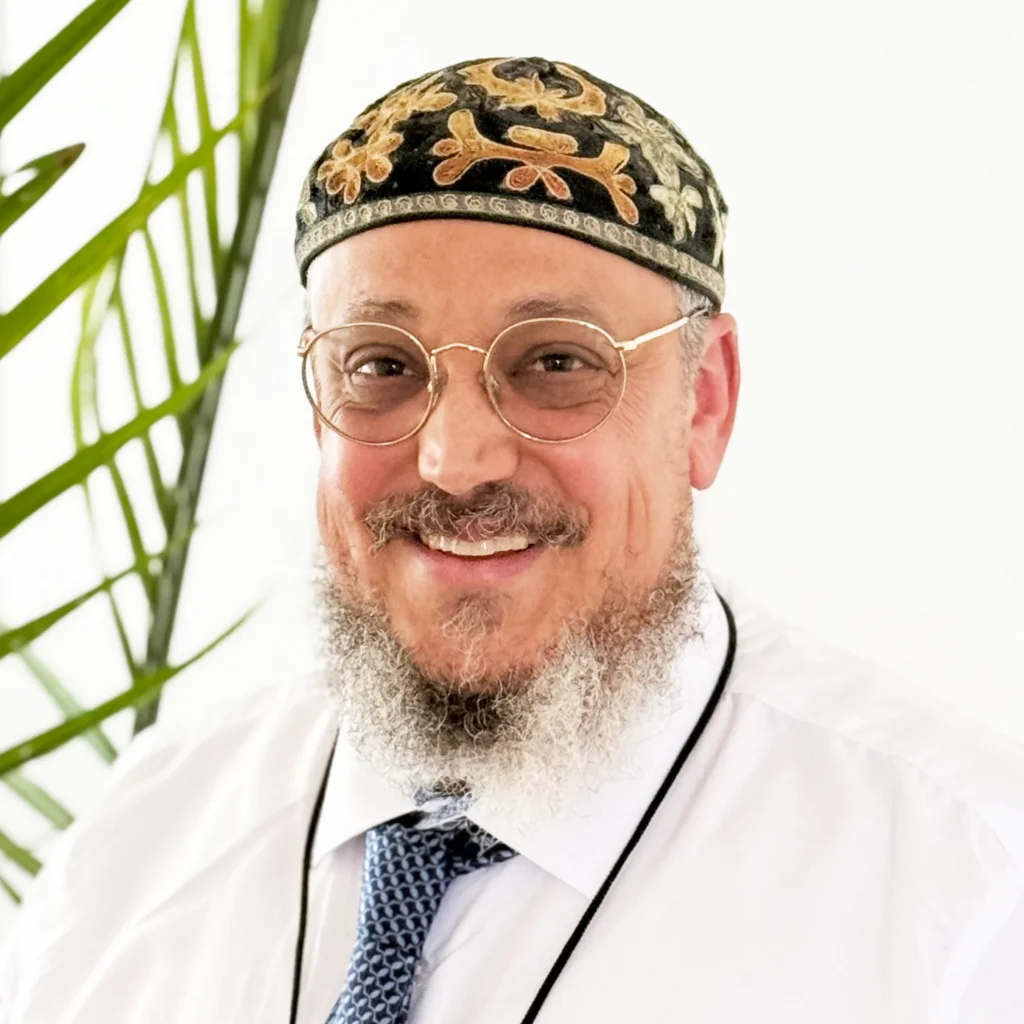
About Our Clinical Reviewer:
Clinical Director | MS, LIAC, LPC, CCTS-I
We use cookies and similar tools to help our website work properly, understand how visitors use it, and improve your experience. You're in control — you can accept all cookies or adjust your preferences at any time. Declining some cookies may limit certain features, but the site will still work.