

Welcoming a new baby into the world should be one of life’s happiest events, but for many parents – especially mothers – the experience can be fraught with a heavy sense of sadness, anxiety, or disassociation. You aren’t enjoying time with your baby as you thought you would, or you don’t feel like yourself since giving birth. You’re not alone, and it’s not your fault. Postpartum depression (PPD) is a very real and treatable condition affecting millions of new parents who may love their child very much.
At Monument Recovery, we understand the gravity and complexity of postpartum depression. It is normal to feel guilty about your emotions, or as though reaching out for help makes you a “bad parent.” Neither is true – you are simply in a situation that requires care, compassion, and skill to overcome. Our team provides evidence-based and individualized treatment for postpartum depression in Arizona to help you access the tools and support you need for lasting relief and balance in your life and family.
We offer high-quality, individualized treatment for substance abuse, dual-diagnosis and mental health conditions at our Arizona treatment center.

Find long-term sobriety at our alcohol rehab programs, offering lasting solutions.
If you have co-occurring issues, our dual-diagnosis programs provide solid support.

Our primary mental health programs offer a safe space to focus on healing & wellness.
Postpartum depression is more than the “baby blues.” While mild feelings of fatigue, moodiness, or worry are common in the early weeks of parenting, PPD is more intense, persistent, and disruptive. It’s a mood disorder that can occur within days, weeks, or even months after childbirth—and, without treatment, it may last far longer.
PPD manifests in different ways for different people, but common symptoms include deep sadness, irritability, exhaustion, trouble bonding with the baby, a sense of inadequacy as a parent, or even scary thoughts of self-harm or hurting the child. If you’re experiencing symptoms that persist or feel out of control, seeking help is crucial. PPD isn’t anyone’s fault—it’s caused by complex factors, including hormonal shifts, sleep deprivation, physical recovery, and emotional adjustment to parenthood.
Hormonal changes after childbirth play a significant role in triggering postpartum depression. A sharp drop in estrogen and progesterone can impact mood-regulating brain systems, resulting in feelings of sadness, low energy, and even despair. At the same time, the physical and emotional demands of caring for a newborn often leave mothers feeling depleted, isolated, or overwhelmed.
Despite being common, postpartum depression is frequently overlooked or minimized. Some parents feel pressure to appear “perfect,” while others may not even recognize that their feelings are part of a legitimate condition. Friends and family may dismiss symptoms as normal stress, but prolonged emotional struggles deserve professional attention. Treatment is not just helpful—it’s transformative and lifesaving.
Monument Recovery is proud to accept most major commercial insurance plans to help cover up to 100% of the costs associated with treatment at our programs. To find our your personal options, get a free verification of benefits.




Living with untreated postpartum depression can deeply affect not just the parent but the entire family unit. Here’s how PPD often impacts major areas of life:
PPD can make interacting with your baby feel exhausting or emotionally distant, which may leave you worried about your ability to be a nurturing parent. Treatment focuses on restoring emotional connection, helping you form a secure bond with your child that lasts a lifetime.
Anxiety, irritability, or feelings of isolation can strain relationships with your partner, family, and friends. Many parents with PPD struggle to express their needs or feel supported. Therapy can help foster clearer communication and ease relational tension during this new phase of life.
Left untreated, PPD symptoms can escalate, leading to deeper depression, anxiety disorders, or even physical health issues caused by chronic stress. In Arizona’s unique environment—a mix of active outdoor lifestyles and supportive therapeutic services—there are opportunities for both emotional recovery and physical rejuvenation under expert care.




Postpartum depression often overlaps with other mental health conditions, which we address in tandem for more holistic healing:
This condition shares many similar roots with PPD but manifests as constant worry, fear, or tension. Parents may feel panicked about their baby’s safety or experience obsessive thoughts about parenting mistakes.
New parents often experience sleep challenges, but if insomnia or extreme fatigue persists beyond normal newborn rhythms, it can compound depressive symptoms.
Some parents develop obsessive-compulsive tendencies or distressing thoughts related to their baby’s well-being. These symptoms can feel terrifying, but treatment often brings significant relief.
Difficult or traumatic deliveries can leave lingering emotional scars that worsen postpartum depression. Addressing trauma alongside PPD ensures full-spectrum healing.




4.8/5.0 Average Rating

19 days ago
This place is truly breathtaking on the amount I’ve learned in the short amount of time that I was there personally I think the place was called and should be called monumental because it was in my life it was stepping stones I needed for the next adventures ahead there are bad days but not a bad life from first day they made me feel like family and my fur baby daughter got to be a staff member pause support specialist MAZ… CHEF PREPARED MEALS THEY HAVE REIKI AND MEDITATION AND ASTOUNDING ALEX THE PSYCH PROVIDER TERRIFIC TARA AND TOO COOL TO BE TRUE KATHY WE ALWAYS MATCHED UNINTENTIONALLY HULLABALOO HALEY SO SWEET HUGS AND A SMILE FOR MILES CASSIE THE DIRECTOR AND AARON ARE VERY SUPPORTIVE AND I WILL MISS ALL THE CONNECTIONS I WAS ABLE TO MAKE WHILE I WAS THERE ANd DRUM DOCTOR DAVID NEEDS TO BE HIRED FOR RECOVERY PURPOSES along with Michael the maestro music therapy is superb Avery and Cody and Mitchell my transport superheroes all the therapists there are wonderful including most of all Dr Cameron I think I will miss him the most but I get to take the things that I learned and carry them with you the rest of my life and you get a gym membership while you’re there too to EOS and it was amazing God bless all y’all and everything you do from cazz&mazz w/ pizzazz
P.s. TERRIFIC 💯 Taylor ty for helping get threw everything more smoothly awesome as case manager super hero! Every bit of staff there has patience more then saints for putting up with me who was more then a bit MUCH but they help me embrace the me that I want to be and if I’m too much the world can go find less but I have now learned to dial it back just a smidge don’t get your hopes up y’all LOL much love always God bless

28 days ago
I’ve been through a few different treatment centers, but Monument actually feels like home. The staff and clients here are all wonderful and always there for you when you need help. The friendships I’ve made here are amazing. Monument truly treats you like an actual human being and not just a number.

29 days ago
I had a very good experience here, I really believe that this place has set me up with the tools I need to maintain my sobriety. The staff genuinely seems to care about the clients wellbeing and make it easy to recover here.

1 months ago
The staff was on point, knowledgeable and very kind, they give you tools and materials. Exactly what is very much needed for your sobriety, I never thought I would be sober this long but all to the help of Monument Recovery, staff, and peers I achieved. Above all this is a great place for sobriety I highly recommend it.

1 months ago
Monument Recovery truly saved my life. When I came in, I was struggling and didn’t know if recovery was possible for me. From day one, the staff and therapists treated me with compassion, respect, and genuine care. What sets Monument apart is that they don’t use a one-size-fits-all approach. They take the time to get to know each person as an individual and create a treatment plan that fits their specific needs. Their therapists are incredibly knowledgeable, experienced, and passionate about what they do. They helped me understand myself, work through difficult challenges, and build a foundation for lasting recovery. The entire team genuinely cares about their patients and goes above and beyond to support them every step of the way. I never felt like just another client—I felt seen, heard, and valued. I can honestly say that if it wasn’t for Monument Recovery, I wouldn’t be here today. I am forever grateful for the hope, healing, and second chance they gave me. If you or a loved one is struggling, I highly recommend Monument Recovery. They change lives.

1 months ago
I love it here and I honestly feel if I Wouldn’t have attended treatment here I wouldn’t be sober and I wouldn’t be the person I am today. I am beyond grateful for the support they provide. EVERY staff here is amazing and they are always there to help and support you through your journey. whether it be with mental health or substance abuse monument definitely will take care of you!! 🩷 also shout out to John Ryan for doing my assessment HES AMAZING!

2 months ago
I completed the Continuum of Care at Monument and had a wonderful experience on every level! The facilities, the programming, and oh my gosh the staff; just absolutely phenomenal. I would go again; but.. ya know… it worked, so I won’t! Monument saved my life… Or I guess I should say that Monument taught me how to save my own life. I’m eternally grateful!

4 months ago
I just wanted to take a moment to share what a pleasure it has been coordinating care with the team at Monument Recovery. Their staff consistently demonstrates professionalism, compassion, and a genuine commitment to the well-being of the clients they serve. Communication with their team is always smooth, and it’s clear that they truly prioritize patient-centered care.
A special shoutout to Cassie and Ryan, who go above and beyond every time. Their patient-first approach and dedication truly stand out. They are always willing to do whatever is necessary to support individuals on their recovery journey and ensure they receive the care and encouragement they need.
It’s always great working alongside a team that shares the same commitment to helping people heal and move forward. Thank you for the work you do!

6 months ago
I am so thankful for everything this treatment center has done for me. I came to Monument at one of the lowest points of my life unsure if sobriety was even possible. From the moment I arrived, I was treated with genuine compassion, respect, and understanding. The staff and clinical team here truly care, and not just about sobriety, but about you as a whole person. Monument went above and beyond to make sure I felt safe, supported, and heard. The program helped me understand myself and addiction in ways I never had before and I was given tools that I continue to use in my recovery today. It also allowed me to build peer connections that I still hold near and dear to my heart. This place didn’t just help me get sober, it helped me rebuild my life and believe in myself again. I will always be grateful for the impact Monument has had on my journey, and I highly recommend it to anyone who is struggling and ready for change.

6 months ago
From the very start of my journey, Monument has been a tremendous gift to me and my family. From the owners to the staff, this place saved my life; there is always an abundance of support and care. I never thought I could know so many amazing people that truly care not only about me but also my family. I am blessed that Monument is a part of my story and honored to be a member of this recovery family. The foundation that Monument has helped me build for myself is priceless and will never be forgotten. They truly are as dedicated to your recovery as you are and will do everything they can to support you.

8 months ago
If you’re hurting and don’t know where to turn, Monument is the place where healing finally starts to feel possible. I can honestly say Monument is one of the most equipped, compassionate, and genuine programs I’ve ever been part of. It isn’t just a facility… it’s a family who truly cares about helping individuals change their lives and regain freedom. Leadership shows up every day with integrity, empathy, and a sincere commitment to be of service. Every department works together to support each client’s healing. Admissions meets clients and families with compassion and zero judgment. The clinical team helps clients process trauma, learn powerful coping skills, and rebuild confidence and purpose. The operations team provides safety, stability, and consistent day-to-day support. Together, they create an environment where real healing can happen. During my time at Monument, I watched countless individuals transform their lives and rebuild relationships they thought were lost forever. Clients aren’t just a number… they are seen, heard, valued, and supported. Staff is educated and informed about substance use, mental health, and co-occurring disorders, and they know how to guide clients through real, lasting change. One thing that always stood out to me was how many clients were so positively impacted that they chose to return as staff. That alone says a lot. Monument doesn’t just help people heal… it helps them grow into leaders, mentors, and individuals who believe in their future again. With nothing but love, thank you to the team at Monument for everything. I’m truly grateful for the opportunity I had to learn, grow, and be part of something so meaningful.

8 months ago

8 months ago
I highly recommend Monument program for anyone who is struggling with addiction and or mental health issues, they help give you a foundation and resources to build up your recovery. The staff are truly amazing and I feel like if you are willing to put in the effort you will get what you need out of this program. From my experience I’ve gotten what I needed and I’m thankful for everyone here

9 months ago
19 days ago
This place is truly breathtaking on the amount I’ve learned in the short amount of time that I was there personally I think the place was called and should be called monumental because it was in my life it was stepping stones I needed for the next adventures ahead there are bad days but not a bad life from first day they made me feel like family and my fur baby daughter got to be a staff member pause support specialist MAZ… CHEF PREPARED MEALS THEY HAVE REIKI AND MEDITATION AND ASTOUNDING ALEX THE PSYCH PROVIDER TERRIFIC TARA AND TOO COOL TO BE TRUE KATHY WE ALWAYS MATCHED UNINTENTIONALLY HULLABALOO HALEY SO SWEET HUGS AND A SMILE FOR MILES CASSIE THE DIRECTOR AND AARON ARE VERY SUPPORTIVE AND I WILL MISS ALL THE CONNECTIONS I WAS ABLE TO MAKE WHILE I WAS THERE ANd DRUM DOCTOR DAVID NEEDS TO BE HIRED FOR RECOVERY PURPOSES along with Michael the maestro music therapy is superb Avery and Cody and Mitchell my transport superheroes all the therapists there are wonderful including most of all Dr Cameron I think I will miss him the most but I get to take the things that I learned and carry them with you the rest of my life and you get a gym membership while you’re there too to EOS and it was amazing God bless all y’all and everything you do from cazz&mazz w/ pizzazz
P.s. TERRIFIC 💯 Taylor ty for helping get threw everything more smoothly awesome as case manager super hero! Every bit of staff there has patience more then saints for putting up with me who was more then a bit MUCH but they help me embrace the me that I want to be and if I’m too much the world can go find less but I have now learned to dial it back just a smidge don’t get your hopes up y’all LOL much love always God bless
28 days ago
I’ve been through a few different treatment centers, but Monument actually feels like home. The staff and clients here are all wonderful and always there for you when you need help. The friendships I’ve made here are amazing. Monument truly treats you like an actual human being and not just a number.
29 days ago
I had a very good experience here, I really believe that this place has set me up with the tools I need to maintain my sobriety. The staff genuinely seems to care about the clients wellbeing and make it easy to recover here.
1 months ago
The staff was on point, knowledgeable and very kind, they give you tools and materials. Exactly what is very much needed for your sobriety, I never thought I would be sober this long but all to the help of Monument Recovery, staff, and peers I achieved. Above all this is a great place for sobriety I highly recommend it.
Monument Recovery offers several treatment programs to begin healing from postpartum depression, each tailored to your schedule, comfort, and care needs:
Residential treatment centers provide a safe, immersive environment for mothers needing round-the-clock support. This can be especially helpful for those experiencing severe PPD symptoms or co-occurring conditions.
IOP offers structured, part-time treatment ideal for parents who need focused help while maintaining family responsibilities. Sessions may include individual therapy, group counseling, and skills workshops.
This flexible option provides ongoing support for parents transitioning back into daily life, with regular therapy to build coping tools and maintain progress.
For parents balancing newborn care or living far from treatment centers, virtual therapy connects you to licensed professionals from the comfort of your home—seamlessly integrating care into your routine.
All programs include evidence-based approaches like Cognitive Behavioral Therapy (CBT), Dialectical Behavior Therapy (DBT), and trauma-informed care to address the unique facets of postpartum depression.
Therapy is the foundation of recovery for postpartum depression. Monument Recovery tailors every plan to suit your individual challenges, offering a safe, supportive space to heal.
Building Emotional Resilience
Early treatment focuses on helping you regain stability in your emotions and self-perception. Therapy addresses feelings of shame or inadequacy and helps you reconnect with your inner strength as a parent and individual.
Supporting Bonding With Your Baby
By processing your emotions in therapy, you can create a deeper connection with your baby in ways that feel natural, fulfilling, and lasting—a core focus of postpartum recovery.
Sustained healing looks like:
At Monument Recovery, we believe postpartum depression treatment isn’t just about symptom relief—it’s about lasting transformation. We help you move from surviving to thriving.
If you are interested in substance abuse treatment for yourself or a loved one, reach out by sending a chat or contacting our team below.
Let’s walk through this together.
What Sets Us Apart:
Seeking help for postpartum depression is brave. It means you care deeply about yourself, your baby, and your family—and you deserve the support to heal. While you may feel overwhelmed or unsure about the future, reaching out is the first step toward creating the connection and balance you need.
Contact Monument Recovery today for compassionate postpartum depression treatment in Arizona. We’ll work with you to find hope, healing, and lasting relief for yourself and your family.
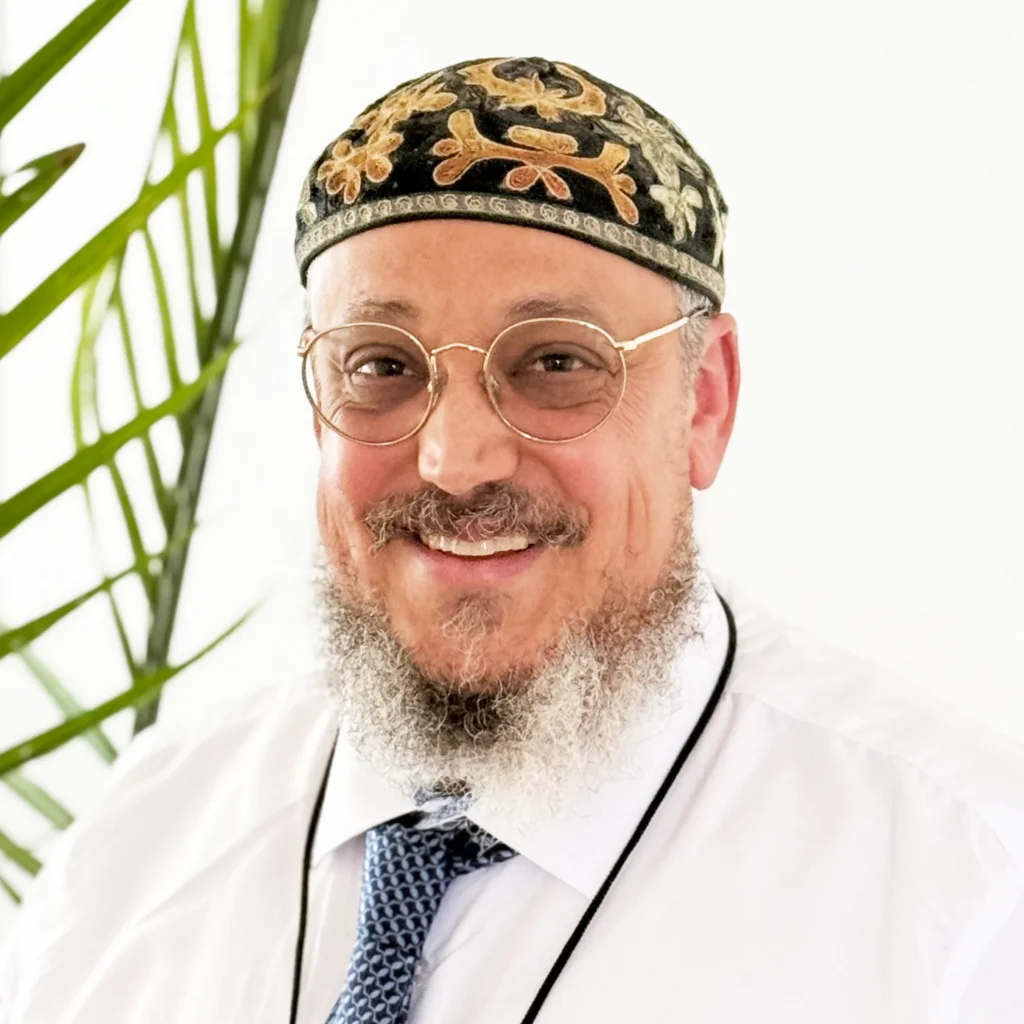
About Our Clinical Reviewer:
Clinical Director | MS, LIAC, LPC, CCTS-I
We use cookies and similar tools to help our website work properly, understand how visitors use it, and improve your experience. You're in control — you can accept all cookies or adjust your preferences at any time. Declining some cookies may limit certain features, but the site will still work.