Partial Hospitalization Program in Arizona

Partial Hospitalization

Bridging the Gap Between Inpatient & Outpatient

Partial Day Treatment That Works for You

Substance use and mental health challenges can make it feel like there’s no way forward, but recovery is always possible. Monument Recovery’s Partial Hospitalization Program (PHP) with Housing offers comprehensive, structured care in a safe and supportive environment.

This program combines the intensity of clinical treatment with the comfort of community living, helping individuals of all backgrounds build the foundation for lasting recovery and renewed hope.


If you or someone you love is struggling with substance use or mental health challenges, you don’t have to face it alone. The Partial Hospitalization Program (PHP) at Monument Recovery in Mesa, Arizona provides the structured care, clinical support, and compassionate guidance needed to begin rebuilding a healthier, more stable life.

Understanding Partial Hospitalization

What is a Partial Hospitalization Program?

Our partial hospitalization program (PHP) offers a high level of care for clients who need more than outpatient treatment but do not require 24/7 residential care. It’s a structured program where clients participate in intensive clinical sessions during the day, and return to safe, supportive housing in the evenings. This allows every client to focus on recovery while beginning to rebuild life skills, relationships, and routines in a real-world environment.


The program is designed for individuals who are experiencing challenges related to substance use and mental health. Whether an individual has just completed a residential treatment program, or is looking for a higher level of care than traditional outpatient therapy, PHP can be a vital step in the journey toward lasting recovery.

How Our PHP Program Can Help

Choosing Monument Recovery means choosing a program that truly understands the complexities of addiction and mental health issues. We are known for our:

Comprehensive Holistic Approach

Our program is grounded in evidence-based practices that treat the body, mind, and spirit. We integrate a variety of therapeutic modalities such as Cognitive Behavioral Therapy (CBT), Dialectical Behavioral Therapy (DBT), and trauma-informed care with holistic modalities like meditation or reiki. Our goal is to address the root causes of substance use so clients can achieve long-term recovery.

Safe & Supportive Community

Living in a recovery-supportive environment is a critical part of the healing process. Clients live with other adults who are also on their recovery journey, which helps build a sense of community and accountability. Community members build deep, meaningful connections that often become a lasting source of support even after the program ends.

Individualized Care Plans

Group Therapy

Psychoeducation

Holistic Therapies

Life Skills Training

Find Out Your Personal Options & Coverage

We Accept Most Major Insurance

Monument Recovery is proud to accept most major commercial insurance plans to help cover up to 100% of the costs associated with treatment at our programs. To find our your personal options, get a free verification of benefits.

Which Program is Right for Me?

What's the Difference Between PHP & Inpatient Treatment?

At Monument Recovery in Mesa, Arizona, both inpatient treatment and partial hospitalization provide structured support for people facing mental health and substance use challenges, but they differ in the level of intensity, supervision, and time commitment. Inpatient treatment is the most immersive level of care, offering 24/7 support in a safe, therapeutic setting where clients live on-site while focusing fully on healing. This level of care is often ideal for those who need a highly structured environment, around-the-clock clinical oversight, and daily support to stabilize symptoms and build a strong foundation for recovery.

Partial hospitalization, often called PHP, is a step down from inpatient treatment while still providing a high level of clinical care. Clients attend treatment programming for several hours a day, multiple days a week, but do not stay overnight. This allows individuals to receive comprehensive therapy, medical support, and personalized treatment during the day while returning home or to a supportive living environment in the evening. PHP can be a strong fit for those who need intensive care but also have enough stability to manage time outside of treatment.

The biggest difference between inpatient treatment and partial hospitalization is where care takes place and how much supervision is included. Inpatient treatment offers continuous care in a residential setting, while PHP provides structured daytime treatment with more independence. At Monument Recovery, both programs are designed to meet clients where they are and help them move forward with confidence, clarity, and compassionate support.

therapeutic approaches at Monument Recovery

Our Approach to Partial Day Treatment in Mesa, Arizona

At Monument Recovery in Mesa, Arizona, our Partial Hospitalization Program (PHP) provides a structured and comprehensive therapeutic environment designed to help individuals build the skills needed for lasting recovery from mental health and substance use disorders. During PHP treatment, clients participate in a variety of evidence-based and holistic therapies that address the emotional, behavioral, and psychological aspects of healing while promoting long-term wellness.

One of the primary therapies used in our program is Cognitive Behavioral Therapy (CBT), which helps individuals identify negative thought patterns and behaviors that contribute to addiction or mental health struggles. Through CBT, clients learn practical strategies to challenge harmful beliefs, regulate emotions, and develop healthier ways of coping with stress and life challenges.

We also utilize Dialectical Behavior Therapy (DBT), a highly effective therapeutic approach that focuses on emotional regulation, distress tolerance, interpersonal effectiveness, and mindfulness. DBT can be especially helpful for individuals who experience intense emotions, impulsive behaviors, or difficulty managing stress in healthy ways.

Group therapy is a core component of PHP treatment at Monument Recovery. These therapist-led sessions allow clients to share experiences, gain support from peers, and develop communication and relationship skills in a safe and structured environment. Group sessions often focus on relapse prevention, emotional awareness, healthy coping strategies, and rebuilding a balanced lifestyle in recovery.

In addition to traditional talk therapies, our program incorporates trauma-informed therapy to help individuals safely process past experiences that may be contributing to mental health or substance use challenges. By addressing trauma in a supportive and compassionate setting, clients can begin to heal underlying wounds that often play a role in addiction and emotional distress.

Clients also participate in individual therapy sessions with a licensed clinician, where they receive personalized guidance and work toward specific treatment goals. These one-on-one sessions allow for deeper exploration of personal challenges while reinforcing the skills learned in group therapy.

To support whole-person healing, Monument Recovery may also incorporate mindfulness practices, psychoeducation, and wellness-focused therapies that encourage emotional balance, stress reduction, and personal growth. These approaches help clients strengthen self-awareness and build practical tools for navigating life outside of treatment.

Through this combination of structured therapies, compassionate clinical care, and skill-building support, the Partial Hospitalization Program at Monument Recovery helps individuals stabilize, gain insight, and move forward with confidence on their path to recovery.


Request a Confidential Callback

Transform Your Life Today

How Our programs support loved ones

Supporting Families Throughout the Recovery Journey

Addiction and mental health issues don’t just affect the individual; they affect the entire family. Our goal is to help rebuild trust, open lines of communication, and create a strong support network for the individual in recovery. For that reason, families often play a critical role in the recovery process. We’re here to support you every step of the way with the tools and resources you need to support your loved one’s recovery and to heal as a family.
Client Testimonials

What Our Clients Say About Us

4.8/5.0 Average Rating

What to Expect

What Makes Us Different?

Meet Our Caring Team

A Team That Cares About Outcomes.

FAQs About PHP Programs

Frequently Asked Questions About Partial Hospitalization

A Partial Hospitalization Program (PHP) is a structured, intensive level of treatment that provides comprehensive clinical care during the day while allowing clients to return home or to a supportive living environment in the evening. At Monument Recovery in Mesa, Arizona, our PHP program offers therapy, skill-building, and clinical support designed to help individuals stabilize and build a strong foundation for long-term recovery from mental health and substance use disorders.

Most clients in our PHP program attend treatment for several hours each day, typically five days per week. Programming includes a full schedule of therapeutic groups, individual therapy sessions, and clinical support designed to provide meaningful structure and support throughout the recovery process.

Monument Recovery’s PHP program in Mesa treats a wide range of mental health and substance use conditions, including depression, anxiety, trauma-related disorders, alcohol addiction, opioid use disorder, stimulant addiction, and dual diagnosis conditions where both mental health and substance use challenges are present.

No. While both levels of care provide structured treatment, inpatient treatment requires clients to live at the facility with 24/7 supervision. PHP provides intensive therapy during the day but allows clients to return home or to a sober living environment at night, offering more flexibility while still maintaining a high level of support.

Many health insurance plans, including PPO plans, may help cover the cost of partial hospitalization treatment. The admissions team at Monument Recovery works closely with individuals and families to verify insurance benefits, explain coverage, and help determine the most affordable treatment options available.

The best way to determine if PHP is appropriate is to speak with a member of our admissions team. During a confidential assessment, our team will learn more about your situation, symptoms, and recovery goals to recommend the level of care that will best support your needs and long-term success.

A Brighter Tomorrow Awaits You

Start Your New Life Today.

If you are interested in substance abuse treatment for yourself or a loved one, reach out by sending a chat or contacting our team below.

Let’s walk through this together.

Choose a New Path forward in recovery

Take the First Step Towards Healing at Monument Recovery

If you or someone you love is struggling with mental health or substance use challenges, you don’t have to face it alone. The Partial Hospitalization Program at Monument Recovery in Mesa, Arizona provides structured, compassionate care designed to help individuals stabilize, gain clarity, and build the tools needed for lasting recovery.

Our experienced clinical team is here to guide you through every step of the process—from your first confidential conversation to developing a personalized treatment plan that supports your long-term wellbeing. Whether you’re transitioning from a higher level of care or seeking intensive support without the need for residential treatment, our PHP program can provide the balance of structure, therapy, and independence needed to move forward.

If you’re ready to explore your treatment options, our admissions team is here to help. Contact Monument Recovery today to learn more about our Partial Hospitalization Program in Mesa, Arizona, verify your insurance benefits, and begin your path toward healing and recovery.

Clinically Reviewed By:

About Our Clinical Reviewer:

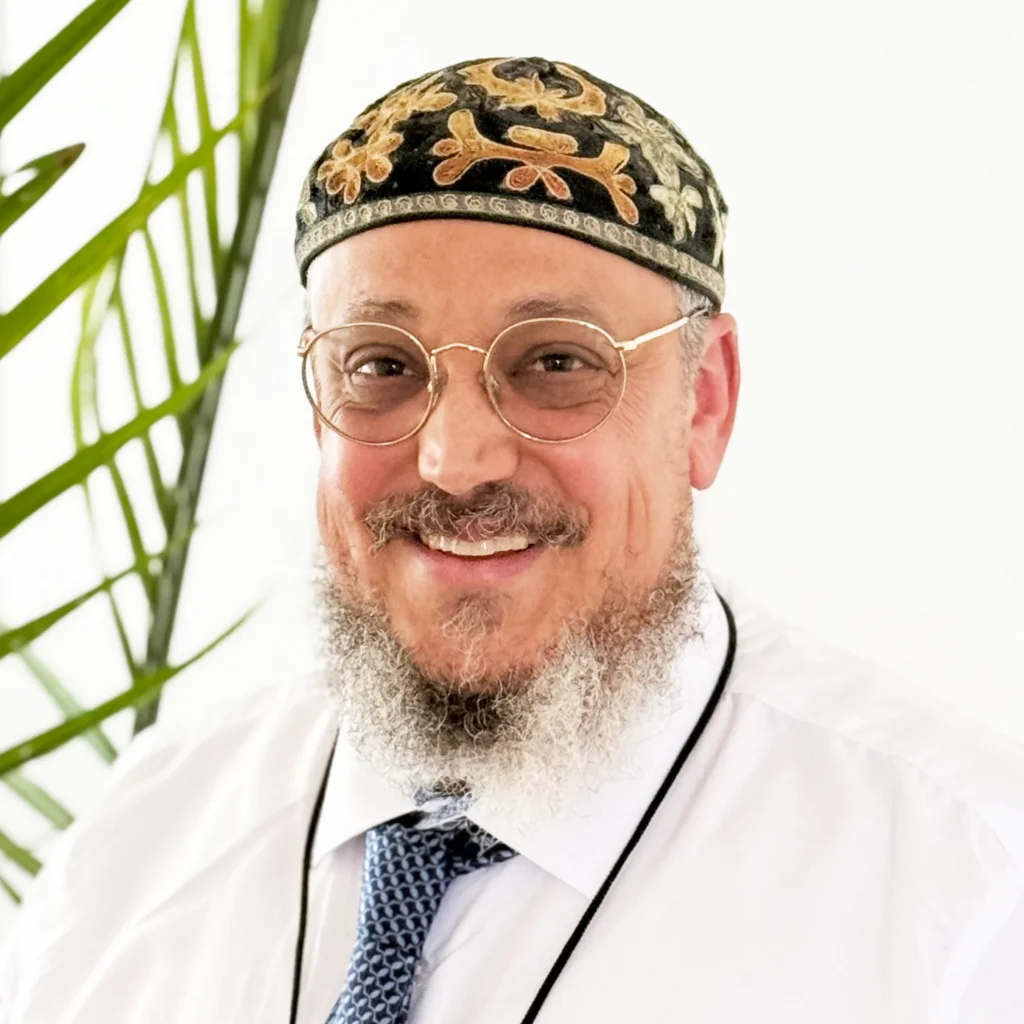
Bradley Wagner

Clinical Director | MS, LIAC, LPC, CCTS-I