Therapies for Mental Health & Addiction Recovery

Therapies

Bridging the Gap Between Inpatient & Outpatient

Therapies for Mental Health & Addiction Recovery

The path to healing from mental health conditions or addiction is different for everyone. It’s important to not only treat symptoms, but also the underlying factors that may have led to emotional pain or addictive behavior, which is why therapy is so important. It’s a collaborative process that can offer guidance, tools, and coping strategies.


Monument Recovery provides a range of therapies to best suit each client’s needs. If you or a loved one is struggling with depression, anxiety, or substance use, or is working through trauma or family issues, we offer evidence-based care for your journey to make meaningful changes in your life. Learn more about our therapeutic services in Arizona.

Understanding Therapy

Why Therapy Is an Essential Part of Recovery

Therapy is a central component of any effective mental health or addiction treatment program. Medications, lifestyle changes, and social support systems also play important roles, but therapy is where a patient learns both why he or she is struggling and the tools to move forward.

In addiction recovery, therapy in Arizona is used to help a patient recognize triggers, to address underlying causes of substance abuse on a psychological level, and to replace old habits with new, healthier ones that can be used to cope with stress or trauma. In mental health treatment, therapy is used to gain understanding, to learn emotional regulation, and to provide better communication skills to more effectively manage life’s struggles.

Research from the National Institute on Drug Abuse (NIDA) shows that behavioral therapies are some of the most effective types of treatment for drug and alcohol addiction, especially when applied as a component of a comprehensive, holistic approach. Here at Monument Recovery, each therapy we offer is evidence-based and designed with your long-term recovery as our primary goal.

Find Out Your Personal Options & Coverage

We Accept Most Major Insurance

Monument Recovery is proud to accept most major commercial insurance plans to help cover up to 100% of the costs associated with treatment at our programs. To find our your personal options, get a free verification of benefits.


Which Program is Right for Me?

How Do Our Therapists Choose the Right Type of Therapy in Arizona?

Choosing the right type of therapy isn’t a one-size-fits-all decision. Every individual brings their own story, needs, and goals into the recovery process. That’s why the trusted therapists at Monument Recovery take the time to conduct a thorough assessment when someone begins treatment.

Factors Considered When Selecting Therapy:

  1. Your Specific Needs: What is the primary challenge—anxiety, depression, trauma, addiction, or a combination of conditions?
  2. Your Experiences: Past events, like unresolved trauma or family dynamics, may influence the appropriate approach.
  3. Your Personality and Preferences: For some, one-on-one sessions feel safest. Others may thrive in group settings.
  4. The Evidence Base: We use therapies that research has shown to be effective for specific conditions, such as Cognitive Behavioral Therapy (CBT) for anxiety or Dialectical Behavior Therapy (DBT) for emotion regulation.
  5. Your Progress Over Time: Therapy plans evolve as you grow and recover, with adjustments made as needed to meet changing goals.


Our goal is to create a personalized pathway to recovery that truly aligns with your needs, leveraging the therapy techniques most likely to encourage healing and growth.

therapeutic approaches at Monument Recovery

Monument Recovery’s Therapy in Arizona

At Monument Recovery, we’re proud to offer a wide range of therapies to address the complex needs of our clients. Below, you’ll find an overview of the most common types of therapy we provide.

Individual therapy, also known as one-on-one therapy or personal therapy, is a type of mental health treatment in which a client works directly with a licensed therapist in a one-on-one setting. This type of therapy allows the client to receive focused, personalized attention from the therapist, who can help them identify and work through the specific challenges they are facing. Individual therapy can be used to address a wide range of mental health concerns, including anxiety, depression, trauma, addiction, and more.

Group therapy is intended to create a sense of belonging among individuals who meet to share and discuss their experiences with each other in a supportive environment. Group therapy sessions are conducted under the professional leadership of an experienced and skilled therapist. Groups can be either short-term or long-term and are formed around specific, shared goals among members. Clients who are going through the same or similar circumstances can work together with the common goal of learning and growing from the experience, including but not limited to addiction recovery, stress management, or mental health disorders such as depression or PTSD.

Trauma therapy is specifically designed to help individuals heal from the effects of deeply distressing experiences. Whether the trauma stems from abuse, neglect, violence, or other major life events, this therapy provides tools to process and integrate memories and emotions in a safe, structured way. Techniques like Eye Movement Desensitization and Reprocessing (EMDR), mindfulness, and cognitive strategies may be employed to reduce the lingering impact of trauma and enable individuals to regain control of their lives. Trauma therapy is delivered in an empathetic and supportive manner, ensuring clients feel safe as they confront and overcome painful experiences.

Cognitive Behavioral Therapy is a goal-oriented approach that equips clients with practical strategies to break cycles of negative thought patterns and behaviors. By helping individuals understand the connection between their thoughts, emotions, and actions, CBT empowers them to reframe unhelpful thinking and adopt healthier coping mechanisms. This therapy is widely used to treat anxiety, depression, addiction, and other challenges, offering a structured, actionable method for managing triggers and improving emotional regulation. CBT is particularly effective for individuals who value concrete tools and measurable progress in their wellness journey.

Dialectical Behavior Therapy is a type of therapy that can help you handle extreme emotions, decrease self-destructive behaviors, and better handle interpersonal relationships. DBT was initially used for people who have borderline personality disorder, but has also been shown to be effective for people with addiction, PTSD, and other mood disorders. Skills training in mindfulness, emotion regulation, distress tolerance, and assertive communication are all commonly included in a DBT session.

Family therapy offers a dynamic space for families to come together, address conflicts, and strengthen their connections. This form of therapy is particularly valuable when addiction or mental health challenges are affecting multiple members of the household or disrupting family dynamics. Through guided discussions and exercises, family therapy focuses on improving communication, resolving tensions, and fostering understanding and support. It provides families with tools to navigate challenges as a united front, creating a healthier environment for everyone involved.

Motivational Interviewing is a client-centered counseling approach designed to help individuals explore and strengthen their internal motivation for change. Often used in addiction recovery or health-related behavior shifts, this technique focuses on resolving ambivalence and empowering clients to identify their personal reasons for making positive decisions. During sessions, therapists adopt a nonjudgmental stance, helping clients articulate their values, goals, and barriers to change in ways that encourage action. Motivational Interviewing is especially effective for individuals in the early stages of readiness and provides a meaningful starting point toward transformation.

Holistic and experiential therapies embrace a whole-person approach to healing, integrating mental, emotional, and physical well-being. Incorporating activities like art therapy, yoga, mindfulness, or outdoor experiences provides creative and hands-on pathways for self-expression and stress relief. By engaging the body and mind simultaneously, clients can develop greater self-awareness, find balance, and connect with their healing process in a unique way. These therapy options are ideal for individuals seeking alternatives or complements to traditional talk therapy, offering opportunities to explore growth in dynamic and fulfilling ways.

At Monument Recovery, each therapy is delivered with care, expertise, and a personalized approach to ensure clients receive the support they need to thrive. Whether you’re seeking individual attention, family involvement, or creative methods to heal, our therapeutic services are designed to empower you every step of the way.

Request a Confidential Callback

Transform Your Life Today

How Our programs support loved ones

Which Therapy Is Right for You?

Choosing the right therapy depends on your needs, goals, and preferences. At Monument Recovery, our skilled professionals will guide you through an assessment process to match you with the therapy—or combination of therapies—that will be most effective in your situation.

Some individuals benefit from a single therapeutic approach, while others find that combining techniques, like CBT alongside group therapy, offers the best results. Recovery is a journey, and finding the right tools is part of the process.

We invite you to explore our services to learn more about trauma therapy, addiction treatment, or any of the approaches we’ve mentioned.

Client Testimonials

What Our Clients Say About Us

4.8/5.0 Average Rating

What to Expect

What Makes Us Different?

Meet Our Caring Team

A Team That Cares About Outcomes.

FAQs About Therapy

Frequently Asked Questions About Therapy in Arizona

Yes. Most forms of therapy are designed to support multiple facets of health by targeting underlying thought patterns, emotional struggles, and behavioral triggers.

Absolutely. Every method we use is supported by research and adapted to fit the unique needs of our clients.

Therapy duration varies—some clients find relief in a few months, while others engage in longer-term care depending on their goals and needs.

Not at all. Many clients benefit from a combination of therapies, customized by our clinical team to maximize their recovery.

A Brighter Tomorrow Awaits You

Start Your New Life Today.

If you are interested in substance abuse treatment for yourself or a loved one, reach out by sending a chat or contacting our team below.

Let’s walk through this together.

Choose a New Path forward in recovery

Begin Your Recovery Journey at Monument Recovery

The journey to mental health and addiction recovery demands professional care, a supportive approach, and effective therapeutic tools. At Monument Recovery, we’re dedicated to supporting individuals throughout Arizona on their journey to finding solutions and guidance to heal.

Ready to take the first step? Reach out today to learn more about our therapies for mental health and addiction recovery—and begin your journey to wellness.

Clinically Reviewed By:

About Our Clinical Reviewer:

Bradley Wagner

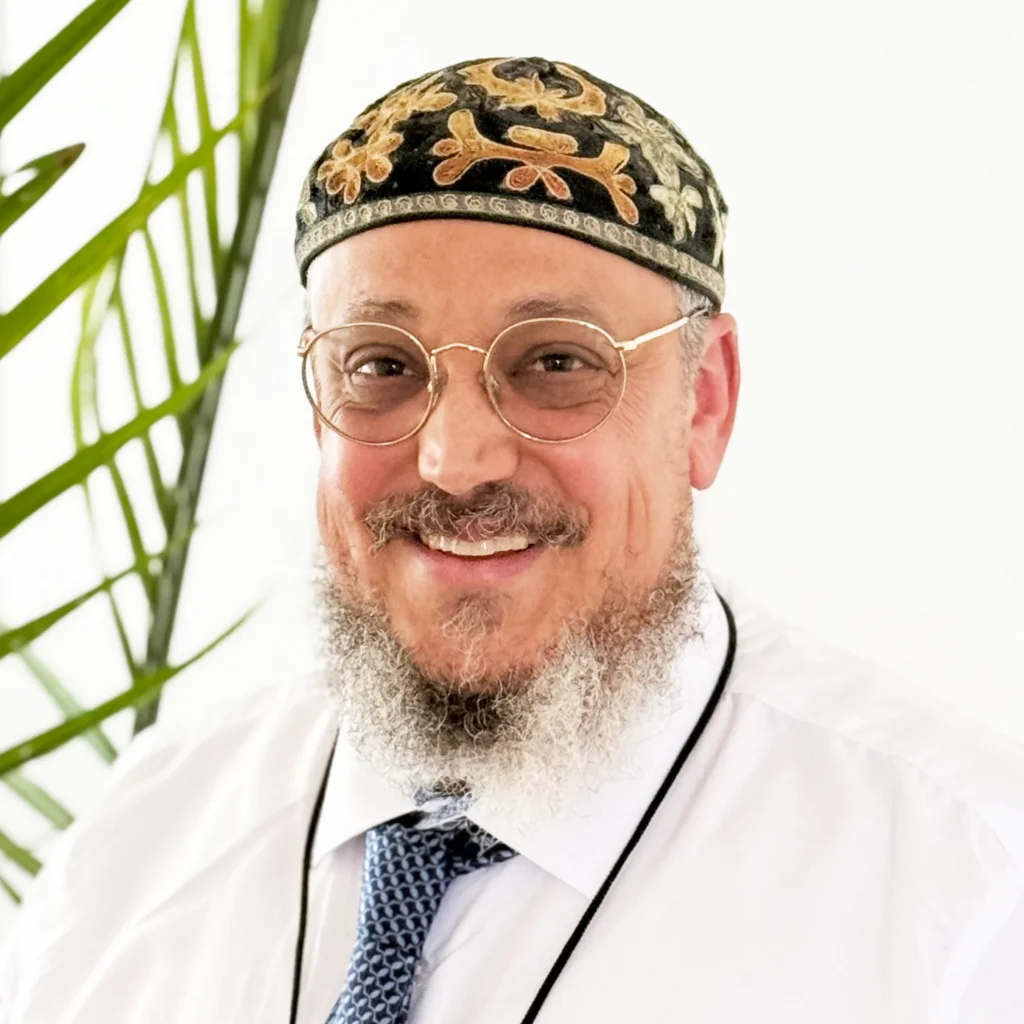
Clinical Director | MS, LIAC, LPC, CCTS-I